WCS Software: How It Works to Optimize Warehouse Operations
WCS software (Warehouse Control System) plays a critical role in modern warehouse automation by acting as the bridge between high-level planning systems and physical warehouse equipment. At Tianjin Master, we specialize in providing innovative warehouse control systems that enhance efficiency, reduce errors, and streamline logistics.
How Does WCS Software Work?
A Warehouse Control System operates as the core of automated warehouses, ensuring synchronization and real-time communication between various technologies. Here's a step-by-step breakdown of how WCS software functions:
Integration with WMS: WCS integrates with the Warehouse Management System (WMS) to execute high-level logistics strategies. While the WMS provides instructions, the WCS translates these into actionable tasks for automated equipment.
Equipment Coordination: Warehouse control systems manage conveyors, sortation devices, robotic arms, and other automated machinery, ensuring seamless execution of activities like picking, sorting, and packing.
Real-Time Data Handling: WCS monitors and collects real-time data from sensors and devices across the warehouse, optimizing task allocation and preventing bottlenecks.
Error Detection and Recovery: Advanced controls allow the WCS to detect operational errors and autonomously take corrective actions to minimize downtime.
The Benefits of WCS Software
Efficiency: By orchestrating automated equipment, WCS ensures faster operations with fewer delays.
Scalability: Reliable warehouse control systems adapt easily to changes in warehouse scale or functionality.
Precision: Real-time tracking reduces the risk of errors in inventory and order fulfillment.
Outstanding Features of Warehouse Control System (WCS)
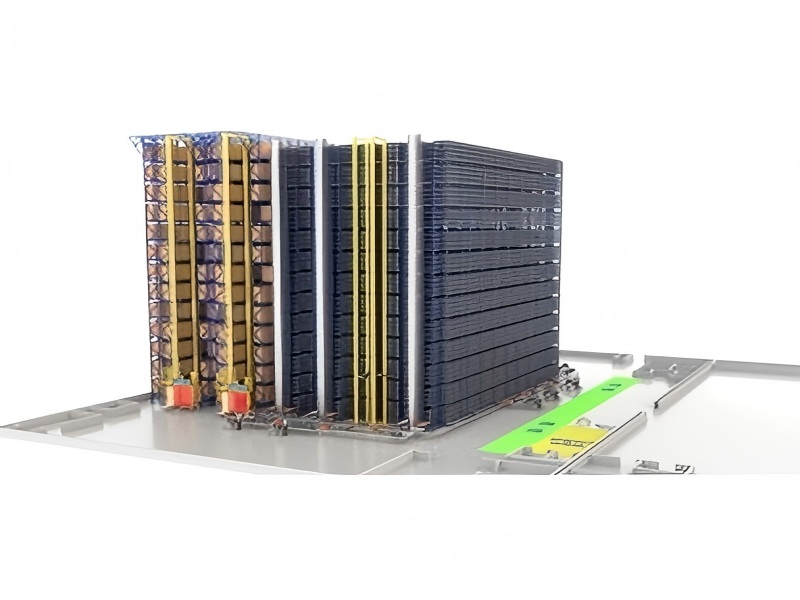
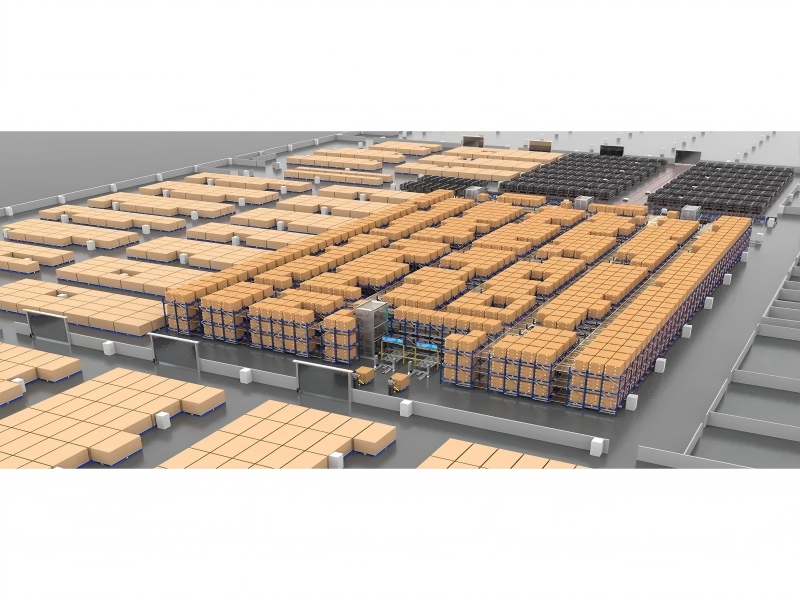
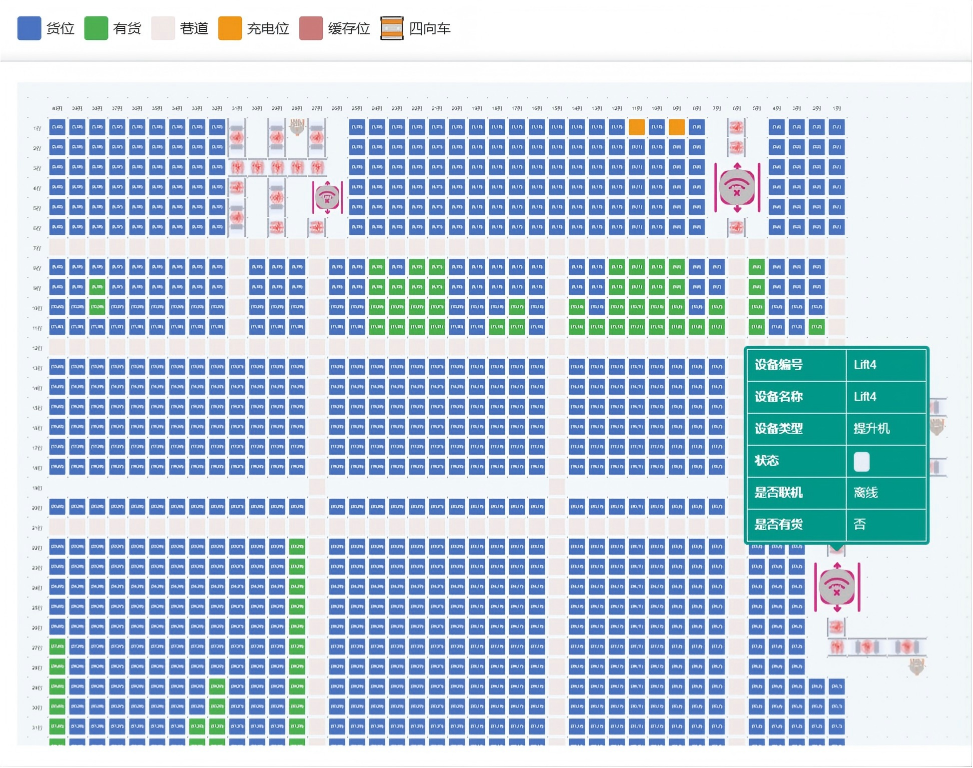
Combined with 3D visualization to achieve full-scene monitoring of the warehouse, create digital warehouse management, and realize planning, layout, analysis and decision-making;
Multi-system seamless connection, real-time interaction, data synchronization, reducing intermediate links, multiple judgments and decisions, and realizing full automation of receiving and putting on shelves;
Dynamic configuration of menus, all-round authority control, real-time control of inventory management and operation management;
Different operation processes can be configured according to different levels or types of warehouses
How Does a WCS Integrate With Other Automated Systems and Equipment?
Tianjin Master WCS software acts as the execution layer between warehouse management software and connected automation equipment. It receives operational instructions from the WMS, converts them into executable equipment tasks, and returns real-time operating results to the upper-level system.
System communication: The WCS exchanges task, status and completion data with the WMS and other connected warehouse systems.
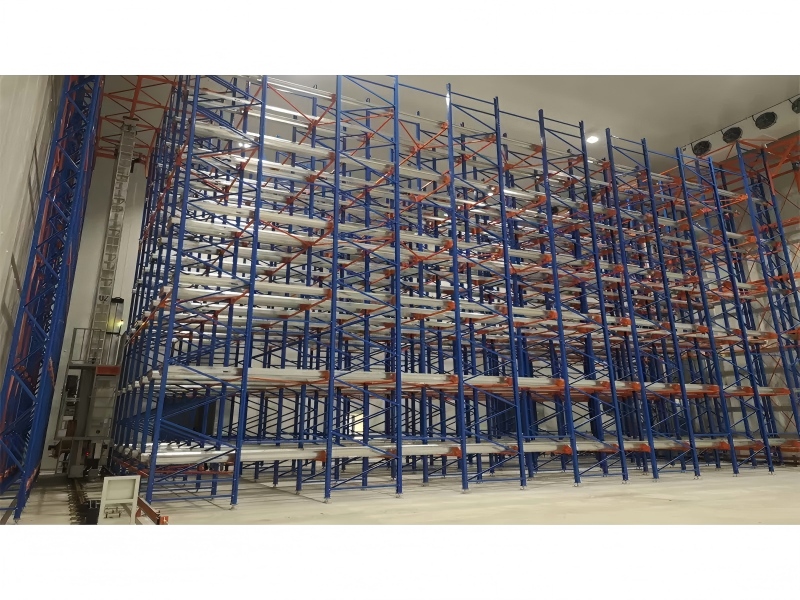
Equipment coordination: It can coordinate sorter conveyors, robotic arms, stacker crane system and other automated warehouse equipment.
Real-time monitoring: The system collects equipment and sensor data to monitor task progress and identify delays or operating conflicts.
Exception handling: When an equipment or task error occurs, the WCS warehouse control system can generate alerts and support corrective action to reduce disruption.
FAQs about Tianjin Master WCS Software
Q: What is the difference between WMS and WCS software?
A WMS manages inventory, orders and warehouse-level tasks, while WCS software translates those tasks into instructions for connected automation equipment and monitors their execution.
Q: What equipment can Tianjin Master WCS software coordinate?
It can coordinate with equipment such as conveyors, sortation devices, cranes and robotic arms. The exact equipment supported in each project depends on its control architecture and interface requirements.
Q: Can the WCS integrate with an existing WMS?
The warehouse control system software (WCS) is designed to receive and execute instructions from a WMS. Before integration, Tianjin Master needs to evaluate the existing software, available interfaces and required data exchange.
Q: How does the WCS respond to equipment or task errors?
The system monitors real-time equipment data and can identify operating errors, generate alerts and support corrective actions. The specific recovery process depends on the equipment and project configuration.
Q: Can the WCS workflow be customized?
Yes. Different operating processes can be configured according to the warehouse type, automation level and material flow requirements.
Related Warehouse Software


 English
  Español
  português
  العربية
  tiếng việt
  ไทย
ไทย  Indonesia