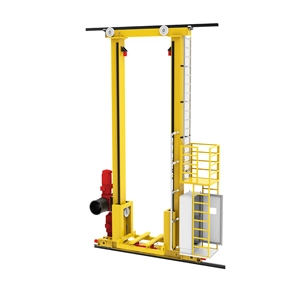
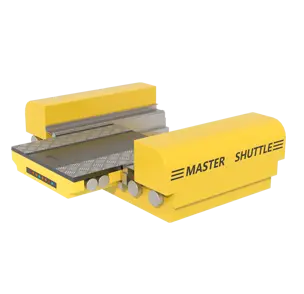
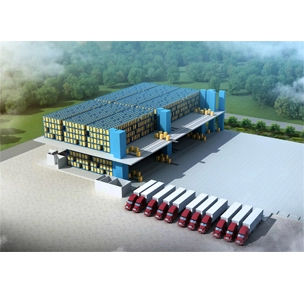
What is a Sorter Conveyor?
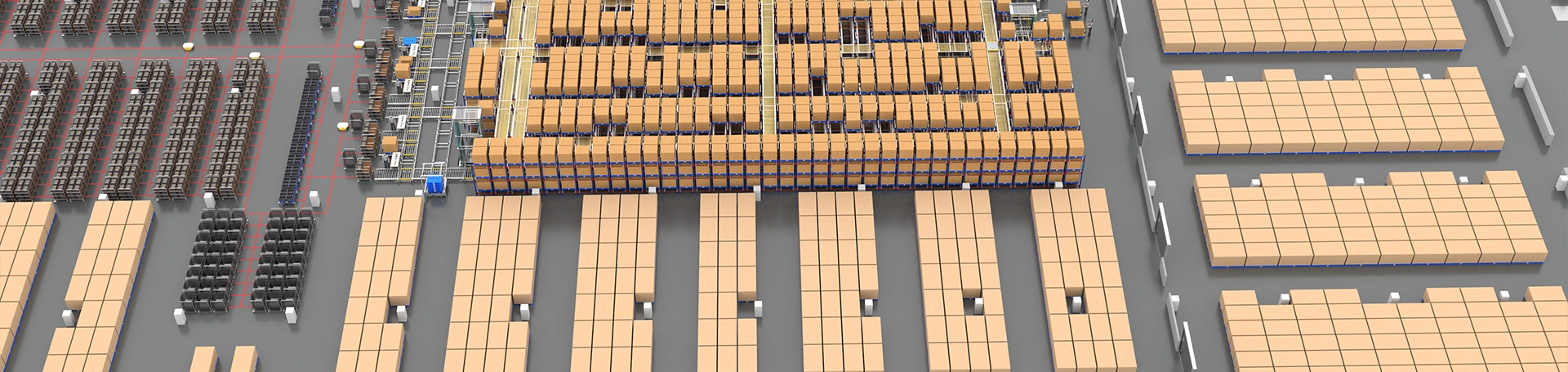
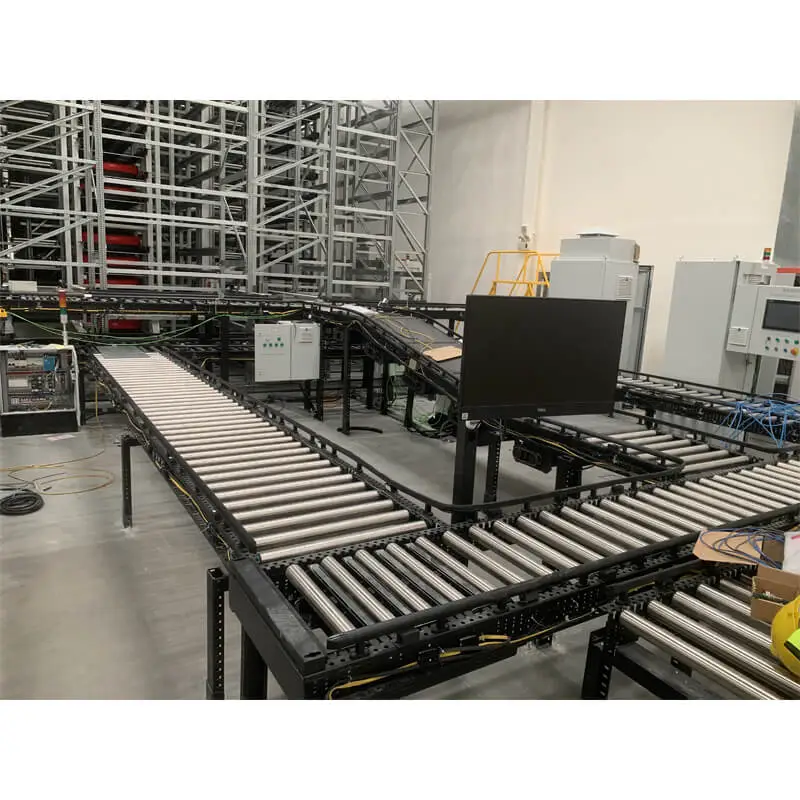
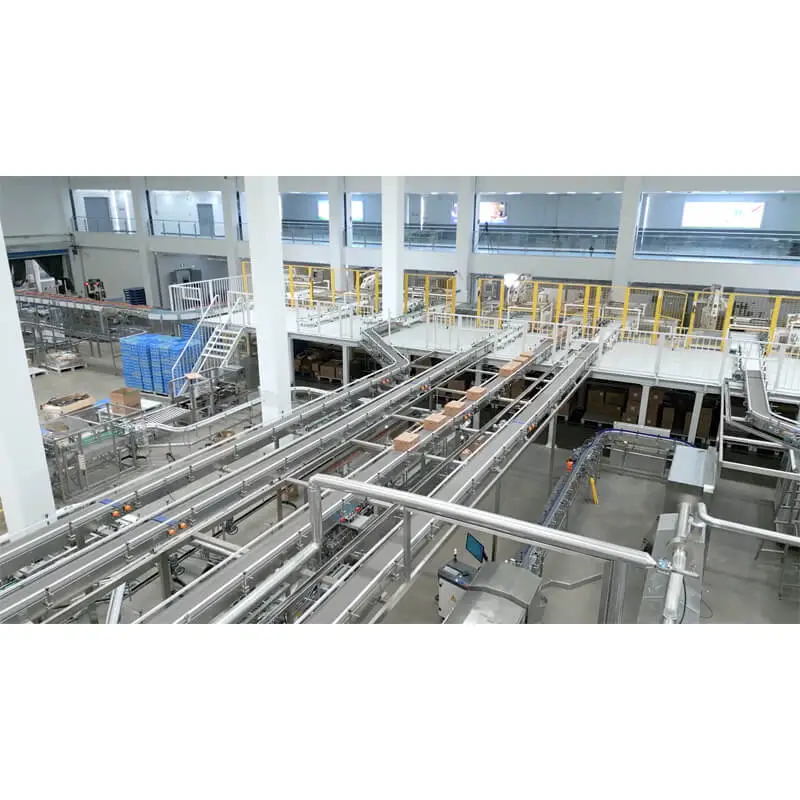
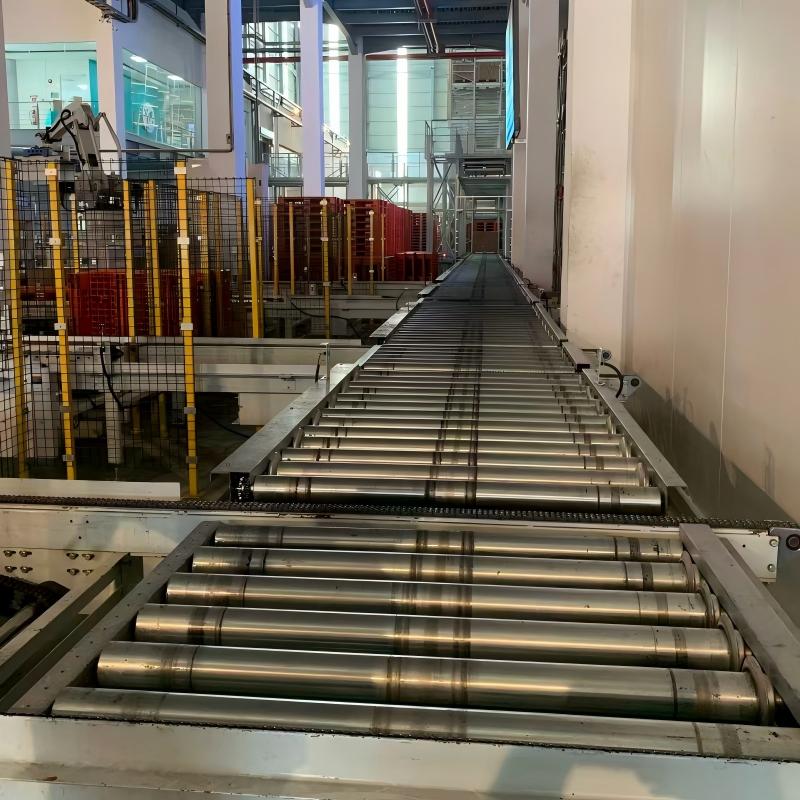
A sorter conveyor is an automated material handling system that transports goods and directs them to different destinations according to warehouse or order instructions. Unlike a standard conveyor that mainly moves materials along a fixed route, it combines conveying, identification, routing and controlled diversion in one process. An automatic sorting machine using conveyor belt movement can reduce the manual work required to separate cartons, trays or other unit loads. In an automated warehouse, the sorter conveyor helps connect receiving, storage, order fulfillment and dispatch areas while maintaining a more organized and traceable material flow.
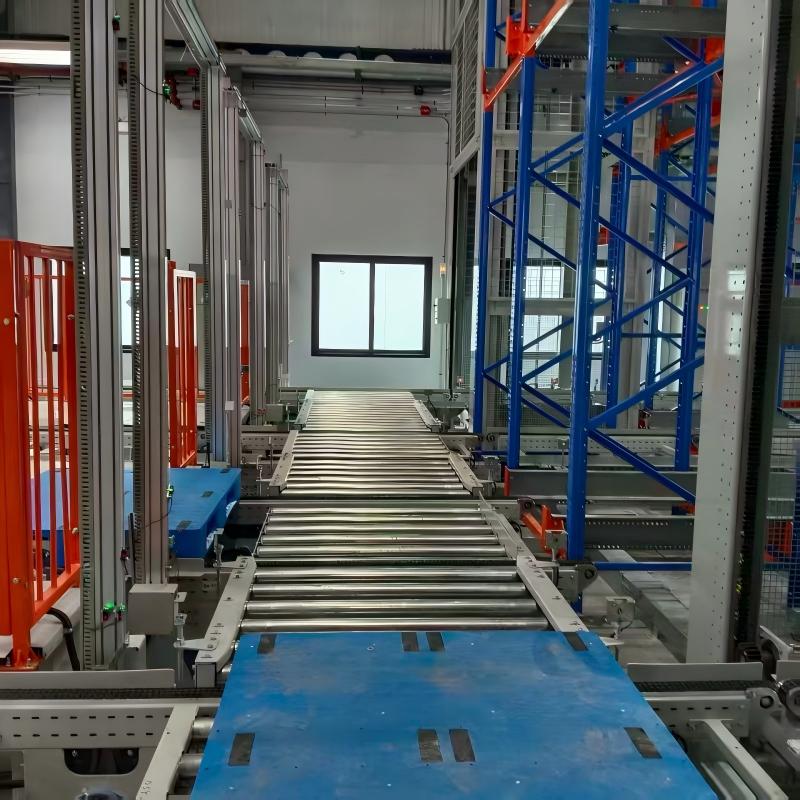
Outstanding Features of Sorting Conveyor
Simple Structure
The equipment is simple to construct
High Reliability
Simple and reliable, and flexible in scheduling
Easy to Use and Maintain
Standardized versatility, beautiful and convenient maintenance
High Suitability
Adapt to a variety of venues
How does a Tianjin Master Sorter Conveyor Work?
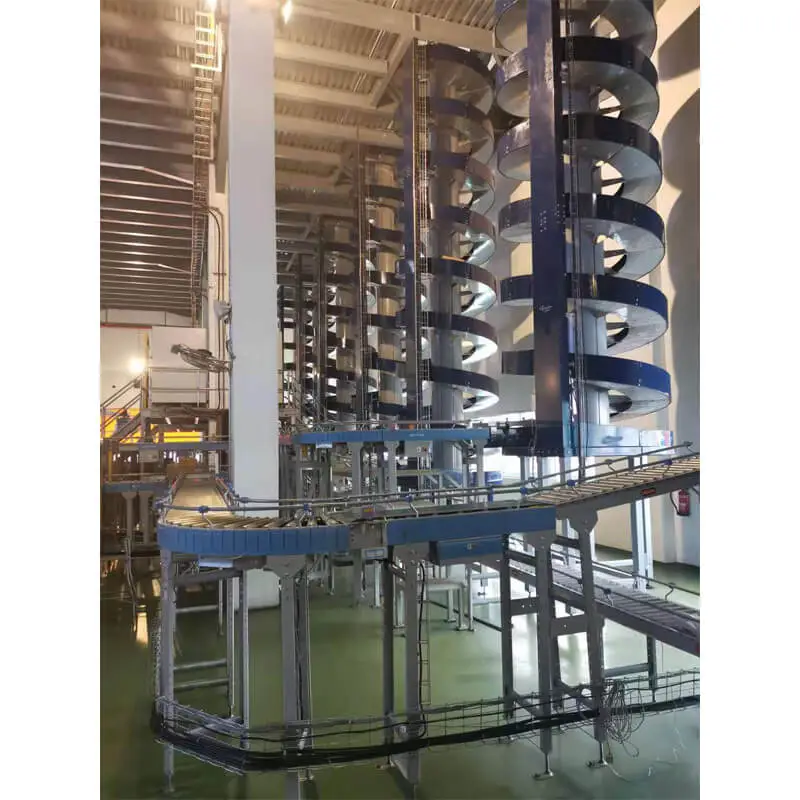
A Tianjin Master sorter conveyor moves materials through a coordinated horizontal or vertical conveying process. The exact workflow depends on the warehouse layout and the goods being handled.
Goods enter the sorter conveyor through a designated infeed station.
The control system receives the destination or handling instruction.
The conveyor transports the goods toward the required sorting point.
The sorting unit directs each load to the correct route, station or downstream equipment.
The completed task and equipment status can be recorded or returned to the warehouse control system.
The conveyor layout, connection equipment and sorting logic can be configured according to the required material flow.
Applications and Industries That Benefit from a Sorter Conveyor
Sorter conveyors are suitable for warehouse operations that need to move and distribute a large number of standardized cartons, trays or packaged loads. They can be used for inbound distribution, storage-area transfer, order sorting and outbound dispatch.
Typical applications of a sorter conveyor include food and beverage warehouses, pharmaceutical distribution, packaging operations, retail fulfillment and wholesale logistics. In these environments, the system can direct goods to different storage zones, processing stations or shipping lanes according to operational instructions. The final conveyor structure and sorting method should be selected according to the load type, available space, required destinations and target handling capacity.
Why Choose a Sorter Conveyor Over a Traditional Conveyor?
A traditional conveyor is effective when goods only need to follow a fixed route. A sorter conveyor is more suitable when the warehouse must identify, separate and distribute goods to multiple destinations.
| Comparison | Traditional Conveyor | Sorter Conveyor |
| Main function | Moves goods between fixed points | Transports and directs goods |
| Material routing | Usually follows one preset route | Supports multiple destinations |
| Sorting process | Often requires manual handling | Uses controlled automatic diversion |
| System coordination | Mainly operates as an individual conveyor | Can coordinate with warehouse control processes |
| Best suited for | Simple, continuous transportation | Order sorting and multi-route material flow |
By combining conveying and sorting in one system, a sorter conveyor can reduce repeated manual handling and improve the consistency of warehouse material flow.
FAQs about Tianjin Master Sorter Conveyor
Q: What types of goods can the sorter conveyor handle?
The current system is designed for tray and box delivery. Other load types should be evaluated according to their dimensions, weight, stability and conveying requirements.
Q: Can the sorting conveyor be customized for an existing warehouse?
Yes. The conveyor direction, sorting stations and connection layout can be planned according to the available floor space and existing material flow.
Q: Can the system include both horizontal and vertical conveying?
Tianjin Master can configure horizontal and vertical sorter conveyor units according to the required warehouse layout and transfer process.
Q: Can the sorter conveyor connect with other warehouse equipment?
The system can be designed to transfer goods between designated stations and related handling equipment. The specific integration method depends on the equipment interface and control architecture.
Q: How is a sorter conveyor maintained?
Routine maintenance normally focuses on the conveyor mechanism, sensors, sorting units and control components. The final maintenance plan depends on the selected system configuration.
Specification of Tianjin Master Sorting Conveyor
| Rated Load | 1200 kg |
| Conveying Speed | 16 m/min |
| Frame Material | Carbon Steel |
| Motor | NORD / SEW |
| Motor Power | 0.75 kW / 1.1 kW |
| Control Mode | Manual, Standalone Automatic, and Integrated Automatic Control |
| Surface Treatment and Coating | Pickling, Phosphating, and Powder Coating |
Related Transport System


 English
  Español
  português
  العربية
  tiếng việt
  ไทย
ไทย  Indonesia