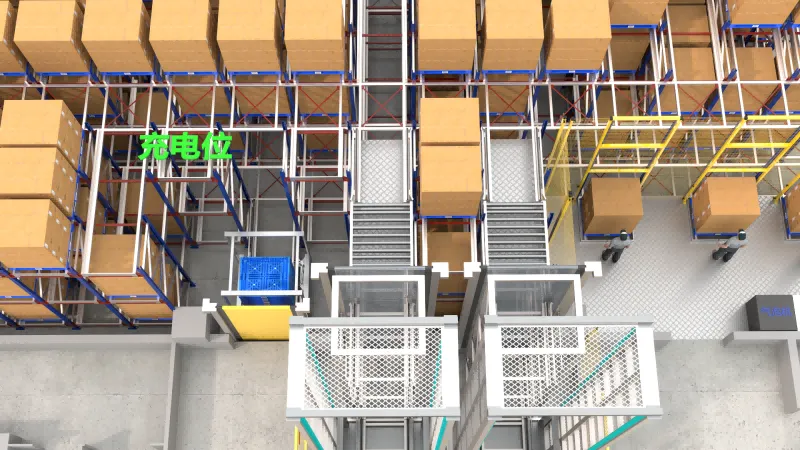
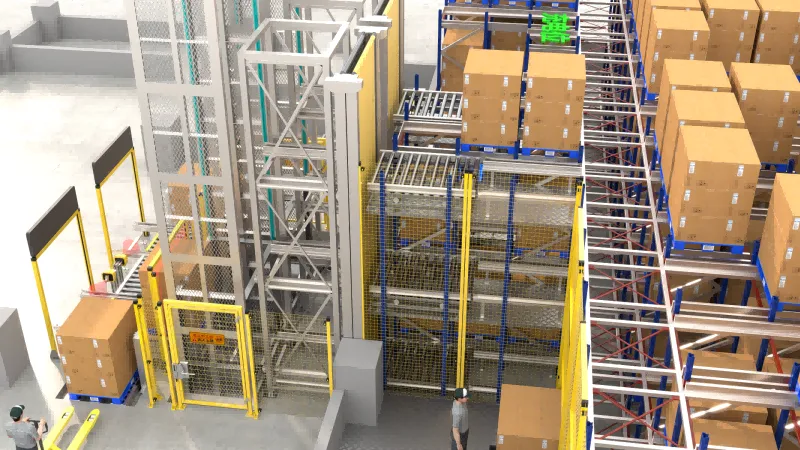
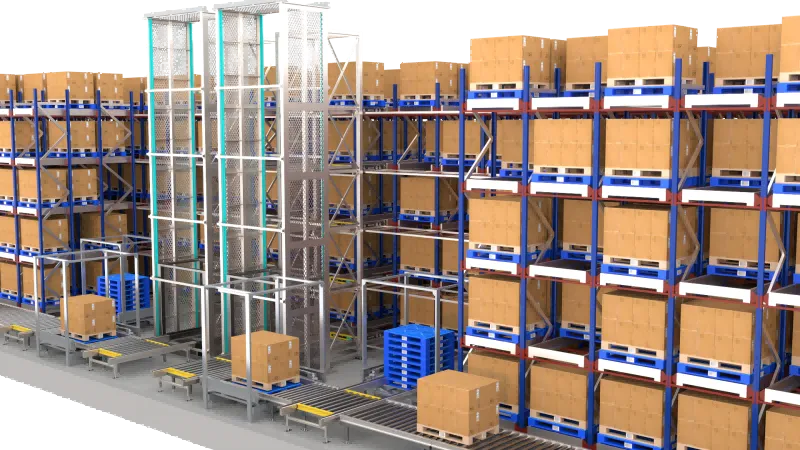
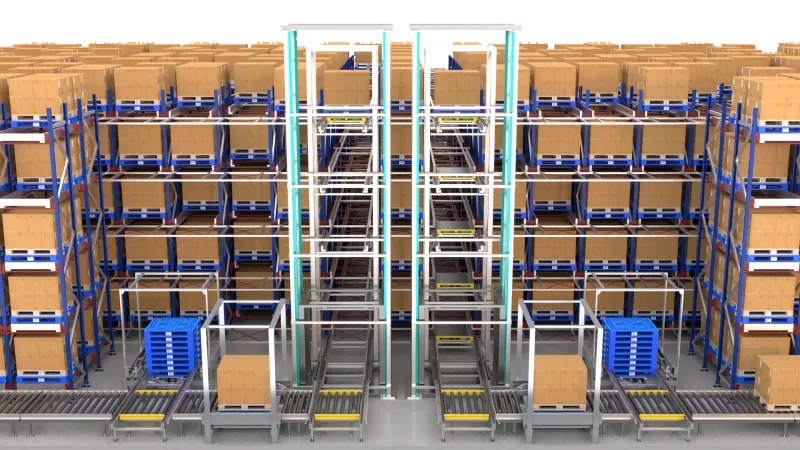
What Are Warehouse Elevators?
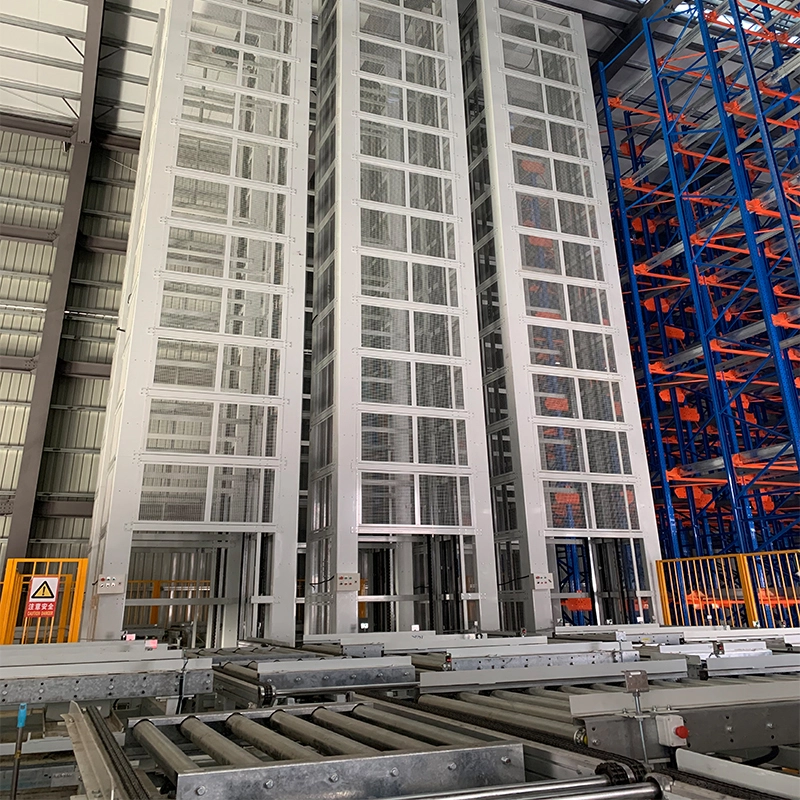
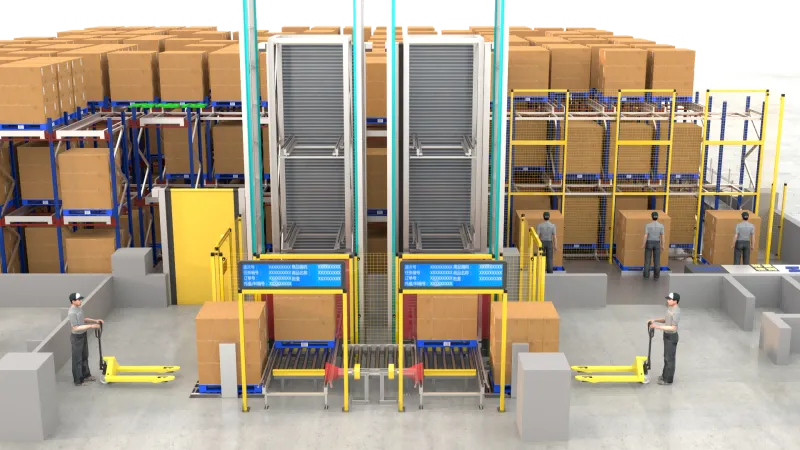
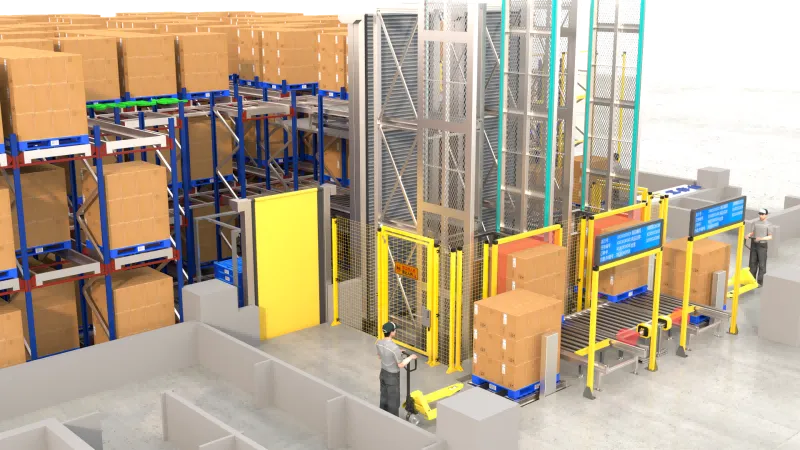
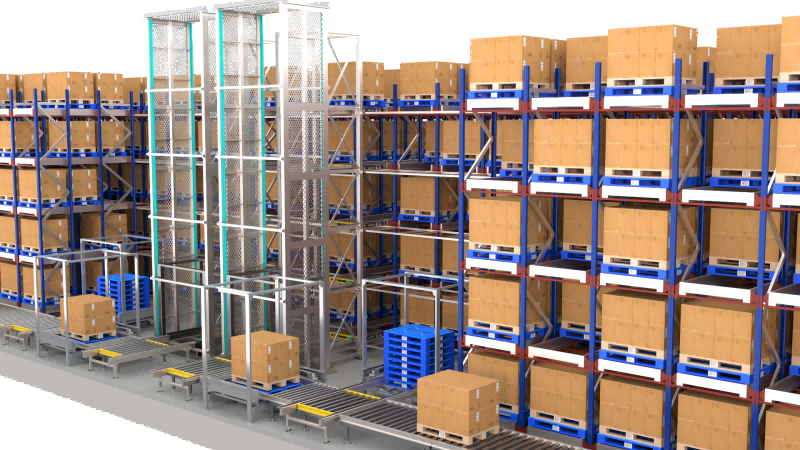
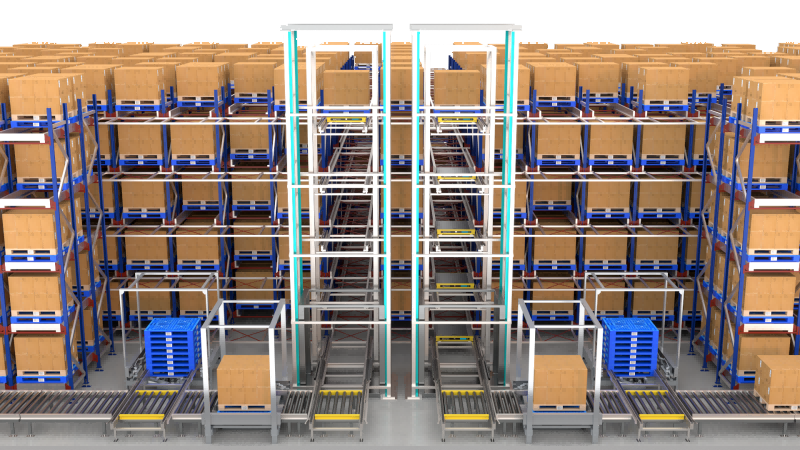
A warehouse elevator is a specialized lift system designed to move goods and materials vertically within warehouses or industrial facilities. Unlike passenger elevators, these elevators for warehouses are built to withstand heavy loads, transporting anything from pallets to crates across floors.
Key features of warehouse elevators include:
High load capacities capable of handling several tons.
Special safety mechanisms and durable construction tailored for industrial use.
Compatibility with various warehouse layouts, from mezzanine levels to tall storage facilities.
Warehouse elevators eliminate the need for manually carrying goods up and down stairs, significantly cutting down the time and risk of injuries associated with manual handling.
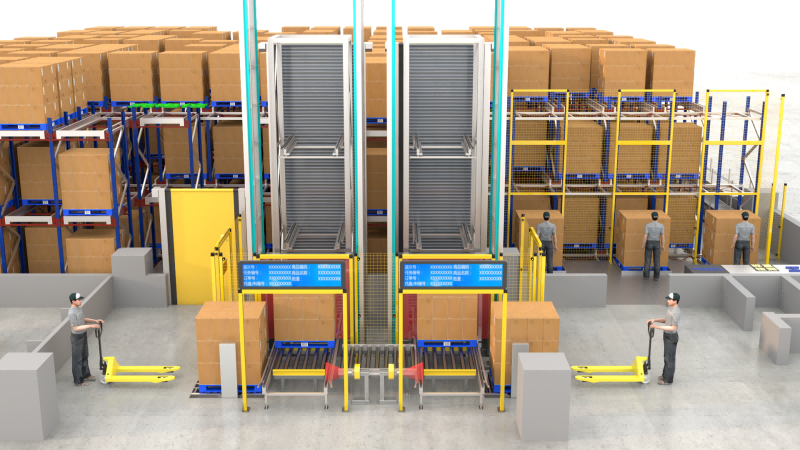
Benefits of Using Warehouse Elevators
Investing in a warehouse elevator offers both immediate and long-term benefits for your operations:
1. Improved Workflow and Productivity
A warehouse freight elevator can significantly reduce transit times between floors, allowing goods to move faster and minimizing bottlenecks. This ultimately boosts productivity and ensures operational harmony.
2. Enhanced Safety
Manual handling of heavy cargo increases the risk of injuries and damages. A properly installed warehouse cargo elevator can safely manage loads, reducing workplace accidents and protecting your assets.
3. Space Optimization
Vertical transportation solutions like warehouse elevator lifts give you the ability to maximize storage space across multiple levels in your warehouse, creating opportunities for growth without expanding the facility's footprint.
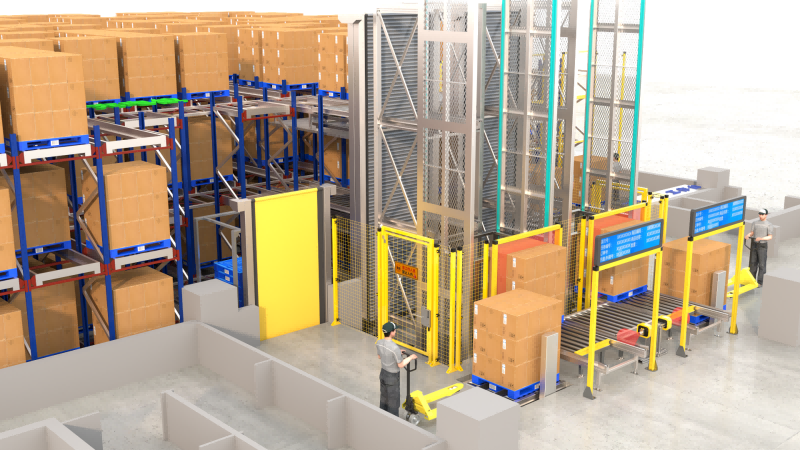
Outstanding Features of Warehouse Elevators
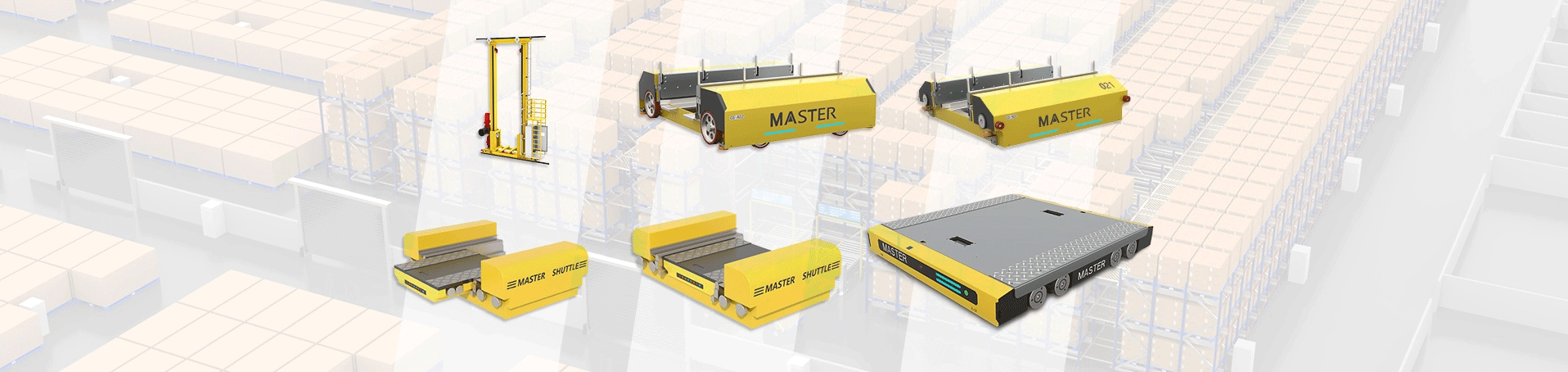
Various of Delivery
Support for reciprocating and surround type
High System Efficiency
Support for one rail of multiple vehicles, system efficiency
Flexible and Reliable
Simple and reliable, and flexible in scheduling
Adapt to Different Environments
Standardized versatility, beautiful and convenient maintenance
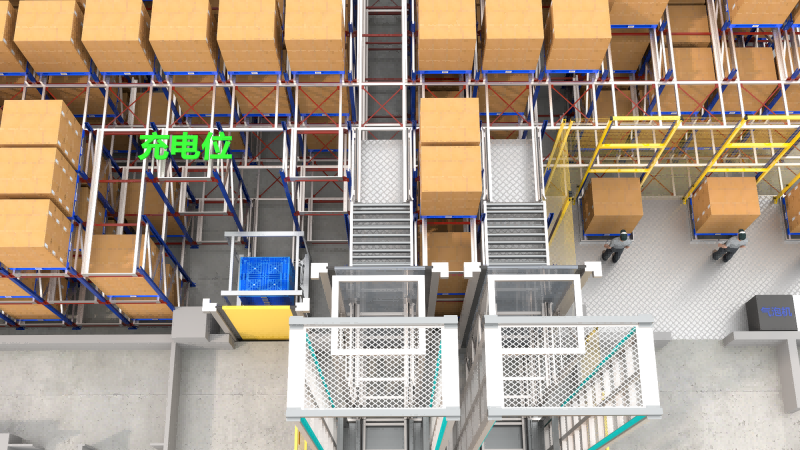
Specifications of Warehouse Elevators
| Name | Parameter |
| Rated Load | 100kg |
| Barcode Reading System | Pepperl+fuchs (Accurate Positioning) |
| Optoelectronic System | Pepperl+fuchs |
| PLC | Siemens |
| Control Method | With Online Automatic/Stand-Alone Manual Function |
| High | Can Be Customized According to User Needs |
| Applicable Temperature | -25°C~-50 °C |
| No-Load Speed | 4 Meters/Second |
| Reload Speed | 3 Meters/Second |
| Motor | Siemens |
| Motor Power | 11kw (Unilateral Lifting), 11kw*2 (Bilateral Lifting) |
| Improve System | Timing Belt Lift |
| Transmission System | Timing Belt |
| Precision Control | QR Code Precise Positioning Error ±2mm |
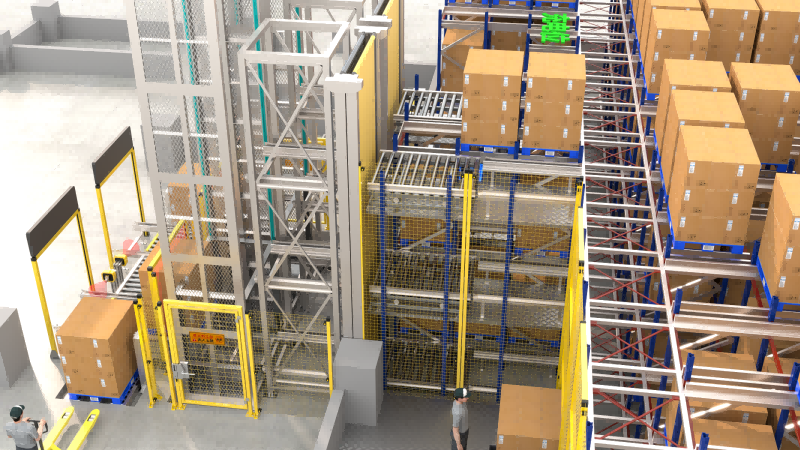
Maintenance and Safety Tips
Proper maintenance is critical for the safe and efficient functioning of a warehouse elevator lift. Here are some key maintenance and safety tips:
1. Schedule Regular Inspections
Assign a maintenance schedule to inspect elevator components, including motors, cables, and control systems.
2. Train Employees
Ensure operators are thoroughly trained in using the elevators and understand emergency protocols.
3. Perform Routine Cleaning
Keep the elevator platform, doors, and control panel free of debris to avoid malfunctioning.
4. Know When to Call the Professionals
For major repairs or recurring issues, always consult a licensed technician.
Frequently Asked Questions
Q: How to control a warehouse elevator?
A: Most warehouse elevators come with intuitive push-button panels, but advanced options feature automated controls integrated with inventory management systems.
Q: Are freight elevators safe for employees to operate?
A: Yes, most modern freight elevators adhere to stringent safety standards, making them safe for trained employees to operate.
Q: What type of warehouse elevator is best for small facilities?
A: Hydraulic elevators or compact VRCs are ideal for smaller warehouses due to their affordability and suitability for shorter travel distances.
Related Transport System


 English
  Indonesia