Create Time: 02 ,28 ,2026
Introduction: The 2026 Reality That Demands Automation
In 2026, the conversation around warehouse automation has shifted dramatically. With a reported 20% shortage in skilled warehouse labor and a staggering 15–20% surge in real wages, manual warehouses have transformed from operational hubs into costly profit leaks. To stay competitive in an era of urban real estate prices reaching all-time highs, warehouse leaders are making a pivotal move toward Automated Storage and Retrieval Systems (AS/RS)—now recognized as the gold standard for financial viability.
Today’s AS/RS systems are more than just an innovation — they’re a survival strategy, especially for facilities grappling with rising expenses and demand for faster fulfillment. With the warehouse automation market expected to surpass $30 billion in value this year, adopting cutting-edge infrastructure is no longer a choice; it’s a necessity.
The Shifting Definition of a "Fully Automated Warehouse" in 2026
More Than Just Replacing People
While the idea of a "fully automated warehouse" has existed for decades, 2026 has redefined what automation really means. Back in the early 2020s, automation primarily focused on replacing labor-intensive roles with simple machines. Fast forward to 2026, it’s now about creating seamless operations built on:
Native Case Handling: Automation systems designed to manage an ever-increasing variety of SKUs in highly chaotic environments.
Lights-Out Capability: Facilities engineered to operate 24/7 without human oversight for maximum efficiency and reliability.
The Role of Modern-Tech Integrations
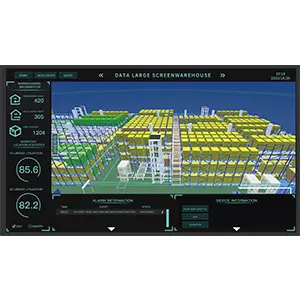
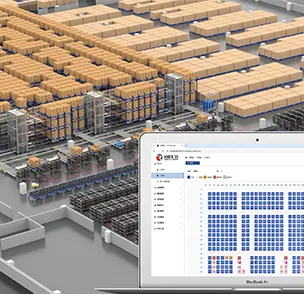
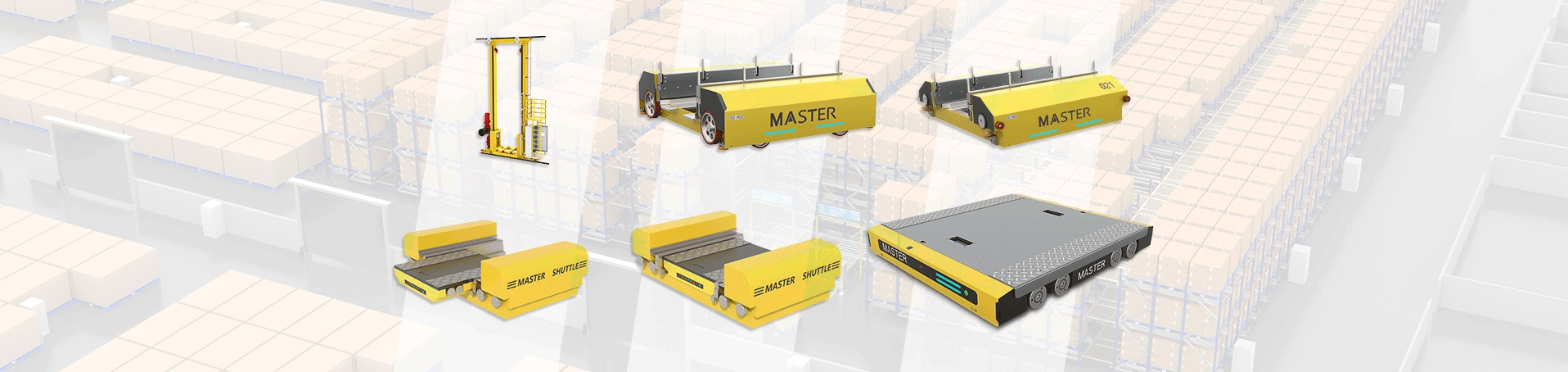
Today’s warehouses rely heavily on advanced AI-driven Warehouse Execution Systems (WES), robotics, and vertical density solutions. These breakthroughs enable unprecedented optimization, such as improved adaptability, greater inventory accuracy, and the ability to handle rapid changes in demand.
Why AS/RS is the "ROI Gold Standard" in 2026
Space: The New Currency
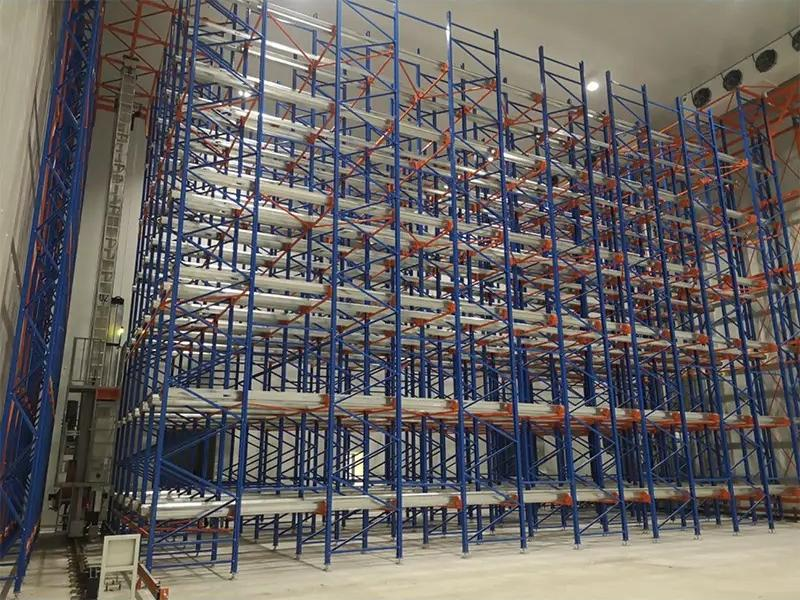
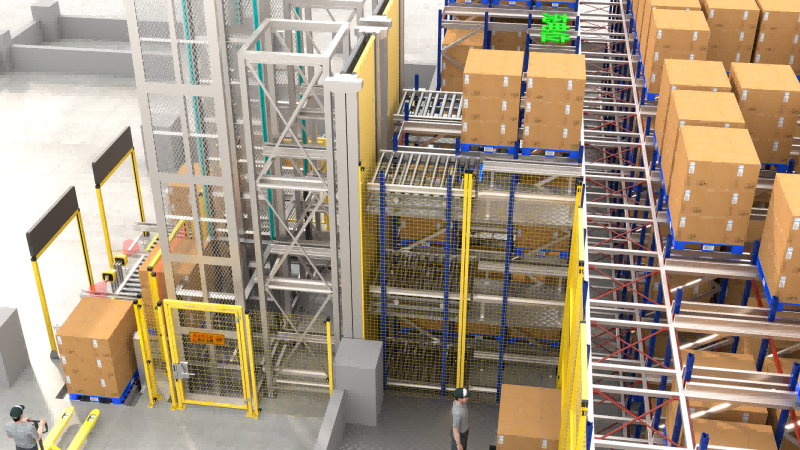
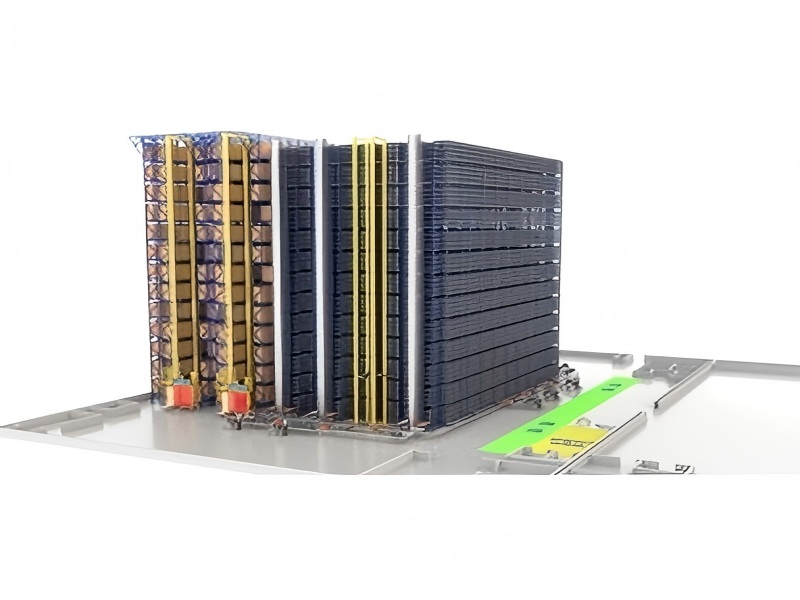
In urban areas—where real estate costs have skyrocketed—space utilization is critical. Automated storage systems use vertical lift modules (VLMs) to reduce floor space needs, freeing up to 90% of precious real estate. This drastic vertical optimization lowers the "cost per pallet," making urban fulfillment centers financially viable for the first time in years.
Tackling Labor Costs at the Source
With labor accounting for 50–70% of warehouse budgets and experienced workers increasingly difficult to find, automating core operations presents a significant opportunity to reduce Operational Expenditure (OPEX). AS/RS systems have shown to slash labor costs by 30–40% in just five years—a direct boost to bottom-line profitability.
Next-Level Accuracy and Speed
Gone are the days when 92% accuracy and a two-day fulfillment window were considered acceptable. In 2026, benchmark AS/RS deployments deliver:
Breakthrough Trends Driving the 2026 Warehouse Pivot
Modularity Over Rigidity
Unlike traditional systems that were permanent, bulky, and non-scalable, 2026’s automated storage systems feature modular designs. They can be easily reconfigured, expanded, or relocated as your operations grow—keeping implementation risk low and scalability high.
Predictive Maintenance Changes the Game
Using AI-powered diagnostics, modern AS/RS systems monitor the wear and tear of each component in real-time, reducing downtime by 30–40%. This proactive approach extends the lifespan of expensive machinery, safeguarding your investment.
Robotics-as-a-Service (RaaS) Accessibility
What was once a solution reserved for the logistics giants like Amazon is now accessible to mid-sized operations thanks to RaaS models. These flexible, subscription-based pricing structures lower the upfront capital expenditure (CapEx), enabling wider adoption among businesses with more modest budgets.
Analyzing the Numbers: Payback Periods for 2026
Accelerating ROI Metrics
Historically, implementing fully automated systems came with lengthy payback periods—often exceeding five years. However, soaring labor costs and operational inefficiencies in 2026 have shifted this dynamic. Current payback benchmarks include:
Simple robotic picking systems: Achieving ROI within 2–3 years.
Comprehensive AS/RS implementations: Many facilities now hit the break-even point in just 18–24 months, thanks to labor savings, throughput scalability, and reduced space costs.
Consultant’s Tip: Key Hidden Costs to Watch
While automating your warehouse accelerates ROI, avoid surprises with these hidden costs:
Preparing for the Transition: From Manual to Fully Automated
The Automation Roadmap
Stepping into automation requires strategic planning and phased implementation. Follow this roadmap to ensure a successful transition:
Audit Current Workflows: Identify inefficiencies and bottlenecks in manual processes.
Optimize Vertical Density: Reorganize inventory storage to maximize space utilization.
Implement AS/RS: Begin with modular systems that scale with your growth objectives.
Phase into Full Automation: Integrate robotics, WES, and AI-driven systems to achieve lights-out capabilities.
The Cost of Inaction
Warehouse automation is no longer a trend; it’s a cornerstone of sustainable growth. By the end of 2026, 80% of top-performing facilities will have adopted high-density automated systems to maximize profitability, reduce errors, and gain a competitive edge.
The cost of delaying automation grows steeper with each passing month, as labor challenges and real estate prices threaten traditional models. For warehouses still reliant on manual processes, the "margin war" of 2027 could mark the beginning of operational decline.
Warehouse automation has officially entered a new era in 2026. With cutting-edge innovations like AS/RS transforming how logistics businesses optimize their operations, this is the moment to act. Whether you're a CFO looking for significant ROI or a warehouse manager battling labor costs, the time to automate is now. Start your transition today!


 English
  Español
  português
  العربية
  tiếng việt
  ไทย
ไทย  Indonesia