I remember the day the last forklift left our warehouse. It wasn't scrapped; it was sold to another company that still lived in the old world. Mike, who'd driven it for 15 years, gave the keys a final pat. "Take care of her," he said. There was no sadness in his eyes. Only anticipation.
Five years earlier, our family-run food distribution business was at a breaking point. My dad, the founder, was working 18-hour days. Our best picker, Maria, had developed a chronic back issue from lifting. We lost a major contract because we couldn't guarantee next-day delivery. We were a loving, hardworking team being slowly crushed by the physical weight of our own success.
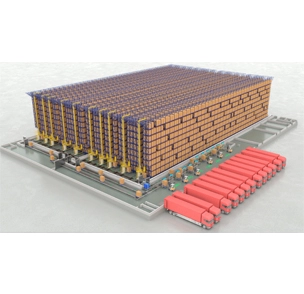
The turning point came when my sister, fresh from business school, showed us a video of a Pallet Shuttle system. "It's like a robot parking garage for our pallets," she said. Dad scoffed. "Robots? We move food, not build spaceships."
But the numbers didn't lie. Our freezer was full, and leasing another was cripplingly expensive. The Pallet Shuttle promised to fit 70% more in the same space. It was a survival move.
The first change was physical, but the second was human.
When the sleek shuttles started running in their deep lanes, the constant roar of forklifts in the freezer stopped. The quiet was unnerving, then peaceful. Mike didn't lose his job. He was trained as the first "Automation Technician." He swapped his forklift keys for a tablet. Now he monitored battery levels and system diagnostics. He said he felt like a pilot instead of a truck driver.
The space we saved allowed for phase two: a 4-Way Shuttle system for our dry goods picking. This was for Maria. Her new workstation was ergonomic, with the goods coming to her. The system's gentle lights guided her picks. Her accuracy soared, and her smile returned. She became our "Picking Flow Optimizer," using the system's data to suggest better layouts.
We didn't replace people. We upgraded roles.
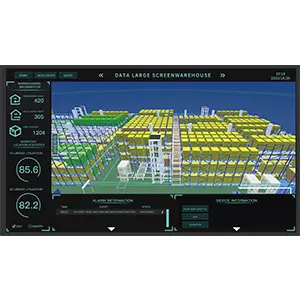
The fear of "robots taking jobs" melted away, replaced by the pride of mastering new technology. Our warehouse manager, who once tracked everything on clipboards, now oversees a digital twin of the facility on a giant screen. He spots bottlenecks before they happen.
The last forklift leaving wasn't an ending. It was a release. We released ourselves from the limitations of muscle and fatigue. We released capacity we didn't know we had. Most importantly, we released our people to do what humans do best: think, solve problems, and take care of customers.
Today, we have that major client back, and more. Dad actually takes vacations. He likes to bring visitors to the control room, not the warehouse floor. He doesn't talk about robots; he talks about his team—Mike the technician, Maria the optimizer, his daughter the strategist.
Automation wasn't about becoming soulless. It was about giving our business, and the people in it, a future they could thrive in.
That silent, efficient warehouse isn't cold. It's full of hope.
If your business feels heavy with the weight of "how it's always been done," there's another way. The first step is a conversation.


 English
  Español
  português
  العربية
  tiếng việt
  ไทย
ไทย  Indonesia