Remember the early days of the pandemic? Empty shelves. Delayed shipments. Supply chains everywhere exposed as fragile. But here's what many didn't see: behind the scenes, automated warehouses became the unsung heroes.
While manual operations struggled with lockdowns, social distancing, and sick workers, facilities equipped with shuttles and ASRS kept running. They didn't call in sick. They didn't need masks. They just... worked.
The Day the Labor Pool Dried Up
In March 2020, a major food distributor faced a crisis. Half their warehouse staff couldn't come to work. Orders from grocery stores were triple the normal volume. Their manual freezer operation was failing.
But they had one advantage: three years earlier, they'd installed a Pallet Shuttle system in their coldest zone.
While the rest of the warehouse scrambled, the automated zone hummed along. The shuttles moved pallets in and out of the freezer 24/7, with zero human exposure to the cold or each other. The company could at least fulfill essential food orders from that inventory.
Their operations director told me: "That Pallet Shuttle was the difference between staying in business and shutting down."
The Pandemic Proved Three Things About Automation
1. Automation Is Pandemic-Proof
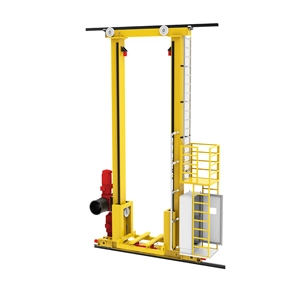
When humans can't be together, machines can work alone. A 4-Way Shuttle grid doesn't care about social distancing. ASRS cranes don't catch colds. Automated systems became islands of stability in a sea of chaos.
2. Density Became a Lifeline
With supply chains disrupted, companies needed to stockpile more inventory. But expanding warehouses during a lockdown? Impossible. Facilities with Pallet Shuttles could instantly increase storage density by 60-80% without adding a square foot. They built surge capacity into existing space.
3. E-commerce Explosion Needed 4WS Agility
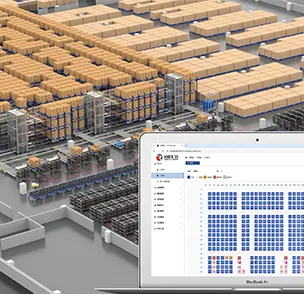
When retail stores closed, online orders exploded. Companies with 4-Way Shuttle goods-to-person systems could scale picking throughput instantly—not by hiring more people (impossible), but by running existing systems longer and adding more shuttles to the grid.
The New Question: Not "If," But "When"
The next disruption won't look like the last. Maybe it's a labor strike. A energy crisis. A trade war. Another virus. But one thing is certain: there will be a next time.
Companies that automated before the pandemic survived better. Companies that automate now will be ready for whatever comes next.
Building the Resilient Warehouse: A Checklist
The Story of Two Companies
In 2020, two similar distributors faced the same crisis.
Company A had manual warehouses. They shut down for three weeks. Lost customers permanently.
Company B had automated their freezer with a Pallet Shuttle and their picking with 4-Way Shuttles. They never stopped shipping. They gained market share while competitors struggled.
Five years later, Company B has tripled in size. Company A is a cautionary tale.
The Lesson: Resilience Is Not Expensive. It's Priceless.
When you invest in a shuttle system, you're not just buying efficiency. You're buying insurance against the unknown. You're buying the ability to keep operating when the world around you stops.
The next disruption is coming. The question is: will your warehouse be ready?
Don't wait for the next crisis to prove your supply chain is fragile. Build resilience now.


 English
  Español
  português
  العربية
  tiếng việt
  ไทย
ไทย  Indonesia