Introduction: From Cost Center to Value Engine
Viewing warehouse automation as a mere expense is a common misconception. It is, in fact, a strategic investment designed to generate continuous financial returns by boosting efficiency and optimizing operations. Master Auto Group helps you understand the inputs and outputs of an automation warehouse from a clear financial perspective.
Part 1: Tangible Cost Savings
Labor Cost Optimization
Current State: Heavy reliance on manual labor for moving/picking, facing hiring challenges, management difficulties, and rising costs.
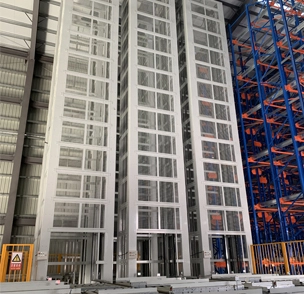
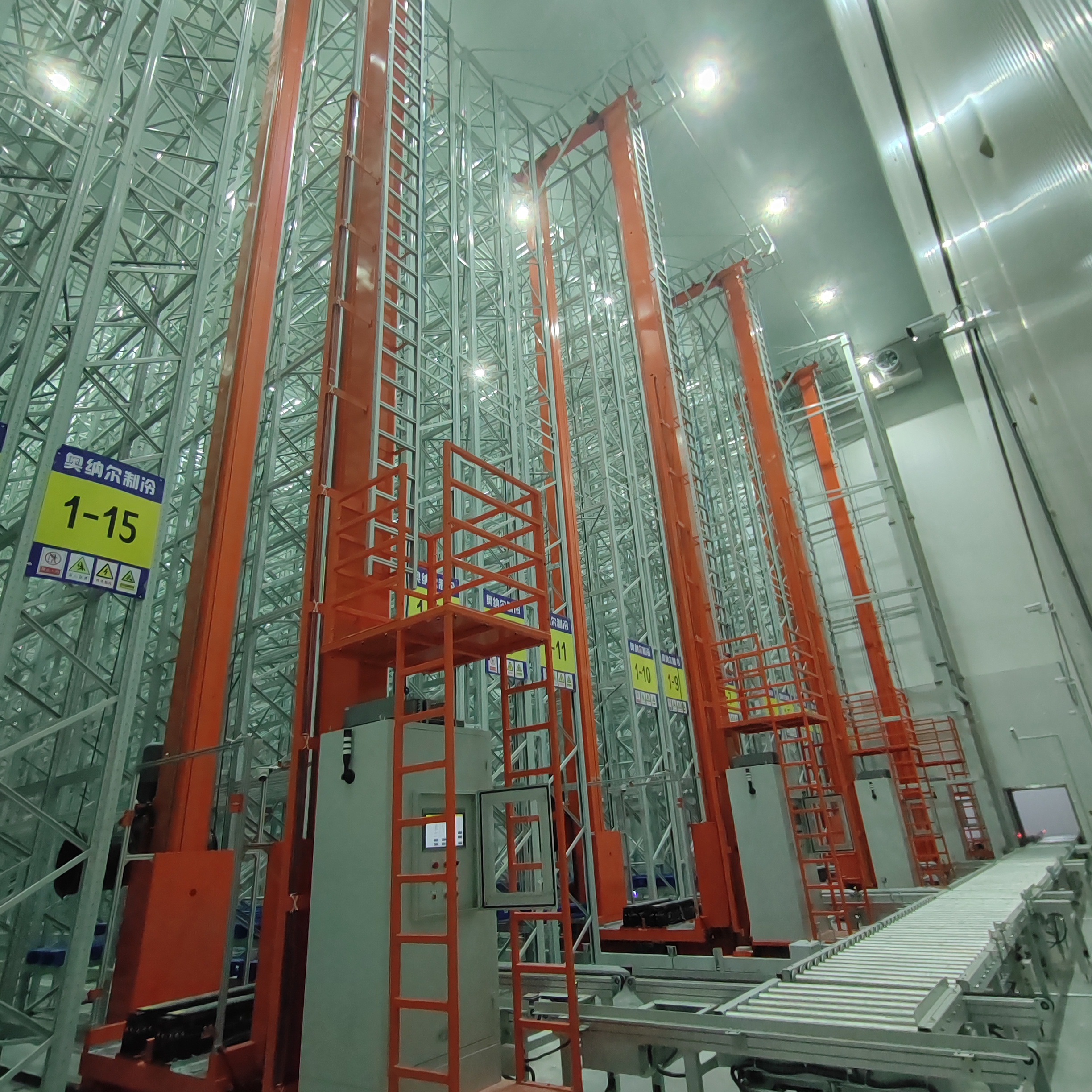
With Automation: Implementing ASRS or 4-way shuttle systems enables "unmanned/lights-out" operations, significantly reducing labor dependency and transforming fixed labor costs into manageable maintenance costs.
Space Cost Savings
Current State: Low space utilization in floor storage or traditional racking, requiring expensive rent or expansion to support growth.
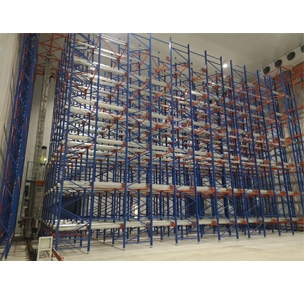
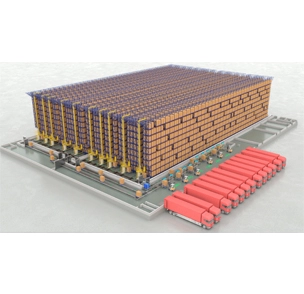
With Automation: High-density racking systems, like pallet shuttle systems enabled by comprehensive warehouse automation integration, can increase storage density by over 80%, storing more goods in the same footprint and directly delaying or avoiding the need for expansion.
Part 2: The Value of Intangible Efficiency Gains
Throughput & Accuracy
Systems operate 7x24, multiplying order processing speed.
Precision automation reduces mis-picks/shipments to near zero, minimizing returns and compensation costs.
Management Efficacy & Decision Support
WMS/WCS provides real-time, accurate inventory data, significantly improving inventory turnover rates and reducing capital tied up in stock.
Data-driven decisions optimize procurement and sales strategies.
Part 3: How to Estimate Your ROI?
A simplified ROI model typically includes:
Investment: Equipment cost (ASRS / 4 way shuttle / pallet shuttle & pallet racking), software, installation.
Return (Annual): Saved labor costs, saved space rent/depreciation, revenue growth from increased throughput, reduced losses from errors.
Typical Case: A warehouse handling 500 pallets daily often sees a full return on investment within 2-4 years after automation, generating substantial net positive returns annually thereafter.
Conclusion
"Evaluating the ROI of warehouse automation isn't just about the equipment price tag; it's about how it reshapes your operational cost structure and creates new growth opportunities. Master Auto Group provides professional ROI analysis at the project's outset, ensuring your investment decision is clear and confident."
— Master Auto Group Financial Analyst


 English
  Español
  português
  العربية
  tiếng việt
  ไทย
ไทย  Indonesia