In a manual warehouse, goods move in a relatively simple pattern. A forklift picks a pallet from receiving, drives to a storage location, places the pallet, and later retrieves it for shipping. Workers walk or drive to picking locations, collect items, and bring them to packing.
Automation changes both the pattern and the speed of material flow. This article explains how different automated technologies move goods and how these movements fit together in a complete warehouse operation.
The Basic Movement Types
Automated warehouses use three basic types of movement. Each type serves a different purpose.
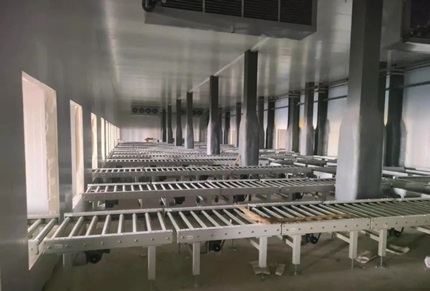
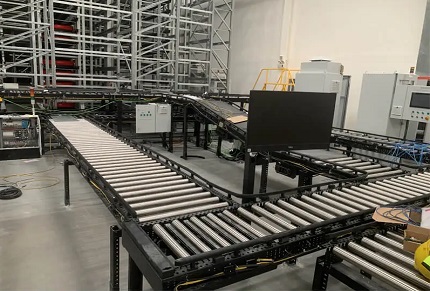
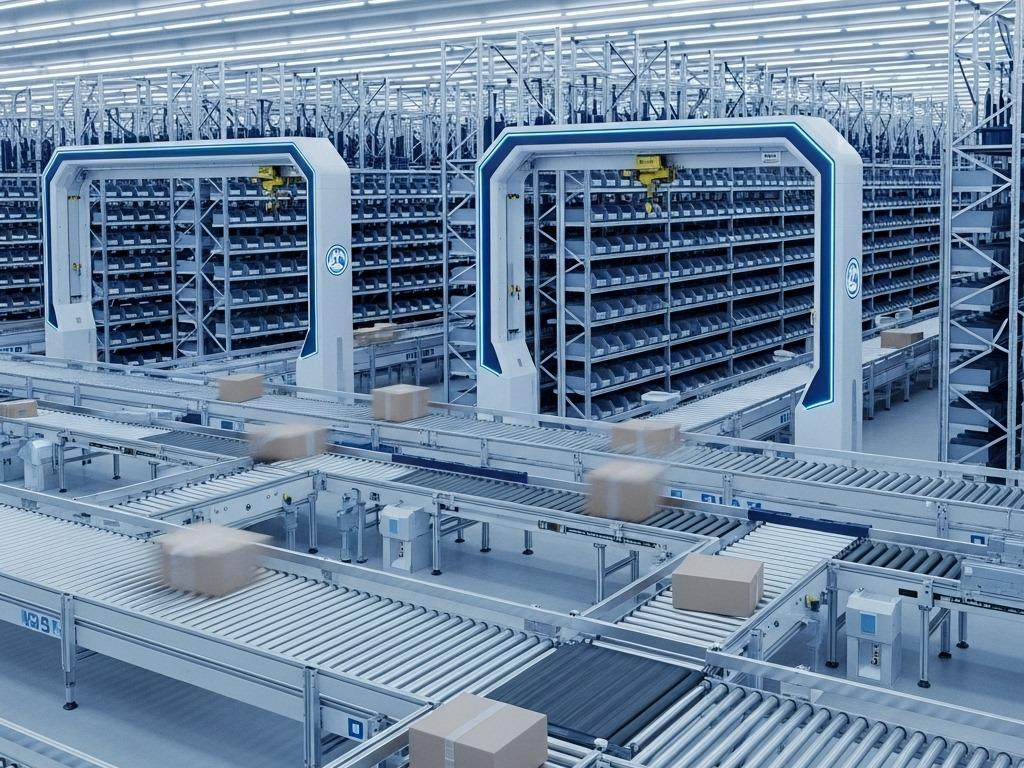
Horizontal movement moves goods across the warehouse floor. In manual warehouses, forklifts and pallet jacks provide horizontal movement. In automated warehouses, conveyors, AGVs (automated guided vehicles), and some shuttle systems provide horizontal movement.
Vertical movement moves goods up and down within the racking structure. Stacker cranes in ASRS systems provide vertical movement. Lifts in 4-way shuttle systems move shuttles between levels. Forklifts also provide vertical movement in pallet shuttle systems by placing pallets at the entrance of each level.
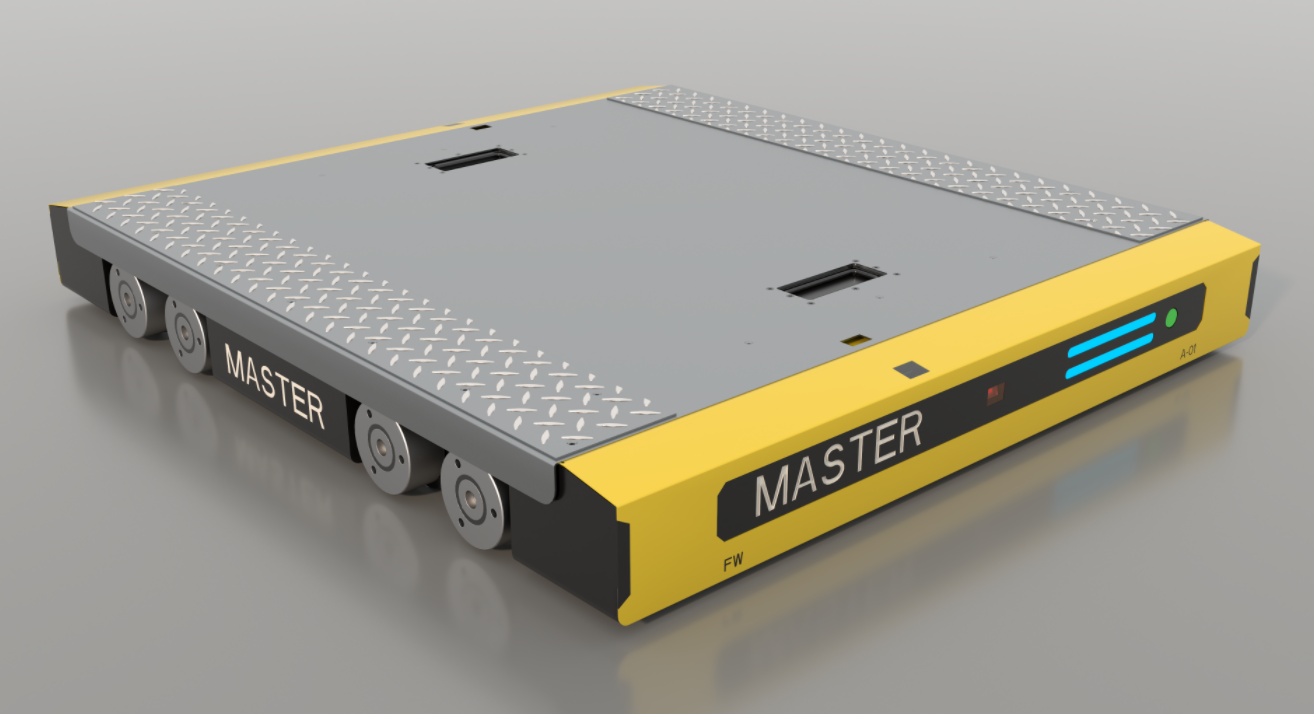
Depth movement moves goods into the deep positions within a storage lane. Pallet shuttles provide depth movement, carrying pallets from the lane entrance to the deepest available position. 4-way shuttles also provide depth movement, but they can change direction at intersections.
How Pallet Shuttles Move Goods
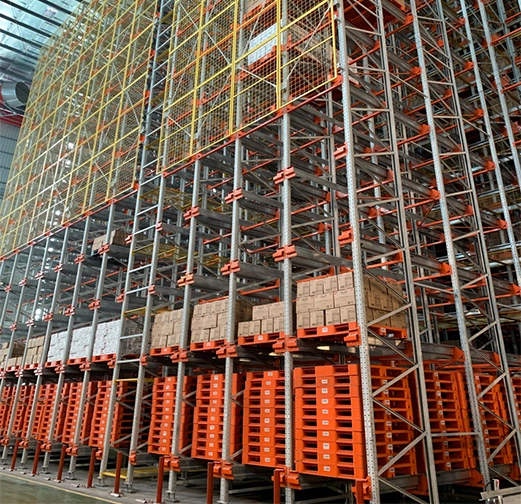
A pallet shuttle system is designed for depth movement. The typical flow follows this pattern:
A forklift operator places a full pallet at the entrance of a storage lane. The operator uses a tablet or remote control to instruct the shuttle. The shuttle travels along the rails into the lane, carrying the pallet. It stops when it reaches the deepest empty position or when it contacts the previous pallet. The shuttle then returns to the lane entrance, ready for the next task.
For retrieval, the operator requests a specific pallet. The shuttle travels into the lane, locates the requested pallet, lifts it, and carries it back to the lane entrance. The forklift then removes the pallet.
In this design, horizontal movement is provided by forklifts. Vertical movement is provided by forklifts placing pallets at different levels. Depth movement is provided by shuttles.
How 4-Way Shuttles Move Goods
A 4-way shuttle system uses a grid structure. The typical flow is more complex:
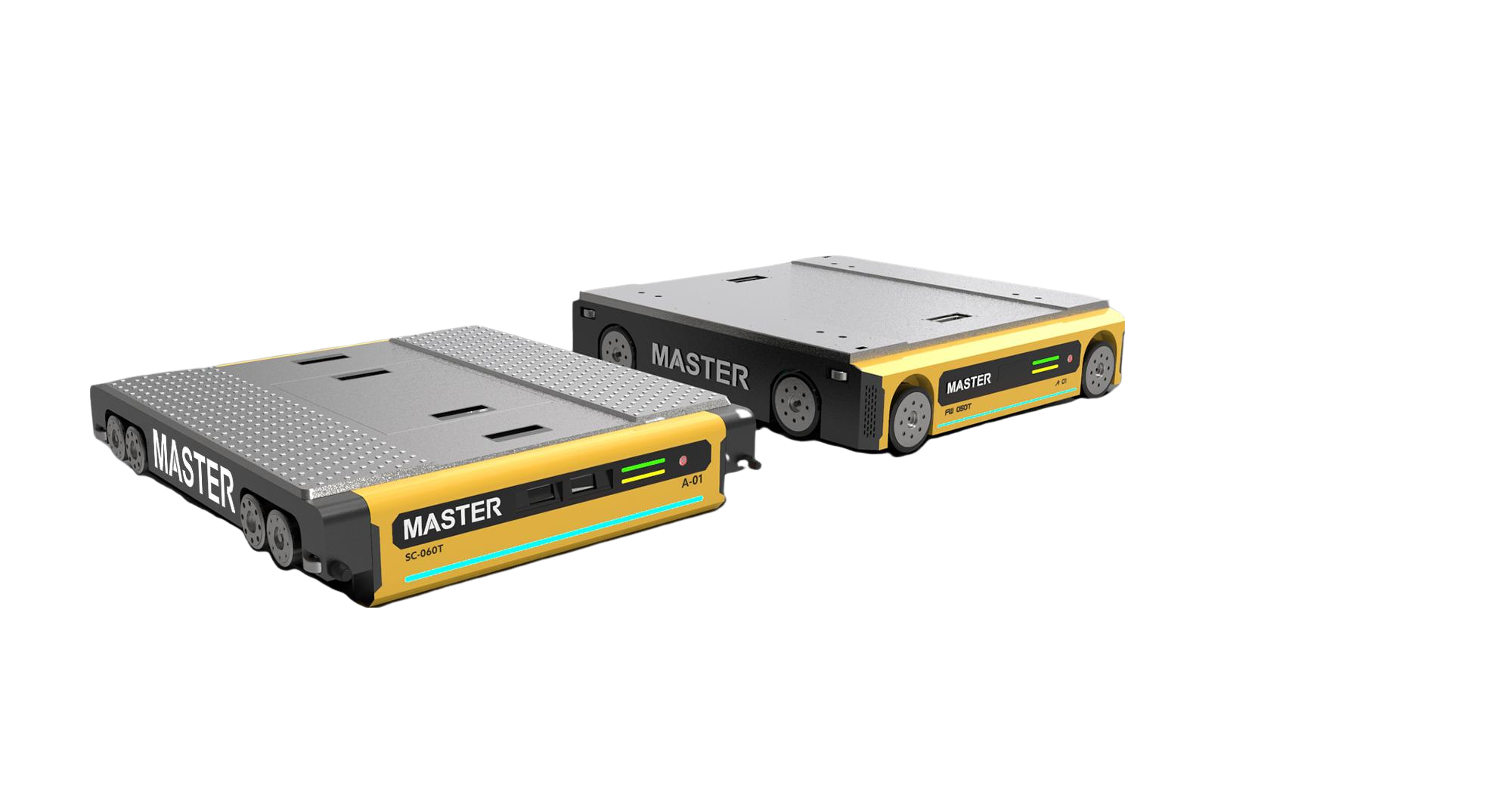
When a tote or case needs to be stored, a lift brings an empty shuttle to the correct level. The shuttle travels across the grid, moving forward, backward, left, or right as needed. It reaches the assigned grid cell and deposits the tote. The shuttle then returns to the lift or proceeds to its next task.
For retrieval, the system directs a shuttle to the grid cell containing the requested tote. The shuttle travels to that location, picks up the tote, and carries it to a lift. The lift brings the tote to a pick station or outbound conveyor.
In this design, horizontal movement is provided by the shuttles themselves. Vertical movement is provided by lifts. The grid allows random access to any tote without moving others.
How ASRS Moves Goods
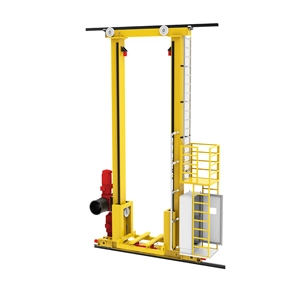
An ASRS uses stacker cranes within fixed aisles. The typical flow follows this pattern:
A conveyor or forklift brings a pallet to the crane interface at the end of an aisle. The crane picks up the pallet, travels horizontally along the aisle to the correct column, and then travels vertically to the correct level. It deposits the pallet into the racking and returns to the interface.
For retrieval, the crane travels to the pallet location, picks up the pallet, and brings it back to the interface.
In this design, horizontal and vertical movement are both provided by the stacker crane. The crane never leaves its aisle, so each aisle requires its own crane.
Combining Movement Types in a Single Facility
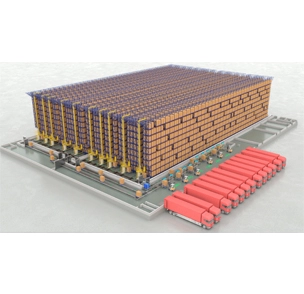
Most automated warehouses use multiple movement types. A common hybrid configuration combines pallet shuttles, 4-way shuttles, and sometimes ASRS.
The material flow in such a facility might look like this:
Receiving area: Incoming pallets are received and logged into the WMS.
Bulk storage: Full pallets move to a pallet shuttle system. Forklifts provide horizontal movement to the lane entrance. Pallet shuttles provide depth movement into the lane. This area handles raw materials, slow-moving inventory, or seasonal stock.
Replenishment: When the picking area needs inventory, a pallet shuttle retrieves the required pallet. The pallet moves to a depalletizing station. Workers or robotic arms remove cases or totes from the pallet.
Picking storage: Cases or totes are transferred to a 4-way shuttle grid. Lifts bring shuttles to the correct level. Shuttles provide horizontal movement to the assigned grid cell.
Order picking: When orders arrive, the WCS directs shuttles to retrieve the required totes. Shuttles bring totes to lifts, which deliver them to pick stations. Workers remove the requested quantity.
Outbound: Completed orders are packed, labeled, and loaded onto trucks.
The Role of Buffers
Buffers are temporary storage areas between processes. They absorb variations in flow rate. For example, a depalletizing buffer holds pallets waiting to be broken down. A picking buffer holds totes waiting to be picked.
Automated warehouses typically have smaller buffers than manual warehouses because automated processes are more predictable. However, buffers are still necessary to handle peak surges and equipment maintenance.
Flow Rate and Throughput
The flow rate of an automated warehouse is measured in units per hour. For pallet shuttles, throughput is limited by the number of lane entrances and the speed of the forklifts feeding them. For 4-way shuttles, throughput is limited by the number of shuttles, lift capacity, and grid congestion.
For ASRS, throughput is limited by crane speed and the number of cranes. A single ASRS crane can typically handle 40 to 60 pallets per hour, depending on travel distances.
Higher throughput requires more equipment. A 4-way shuttle system can add shuttles to increase throughput without changing the racking. An ASRS requires additional cranes and aisles.
Designing for Smooth Flow
Several principles guide the design of material flow in automated warehouses:
Separate fast and slow movers: Frequently accessed items should be stored closest to pick stations. Infrequently accessed items can be stored in deeper or higher locations.
Balance the workload: Each pick station, each lift, and each shuttle should handle a similar volume. Imbalances create bottlenecks.
Provide enough buffers: Insufficient buffering causes downstream processes to wait for upstream processes.
Plan for exceptions: Not every item fits the standard flow. Returns, damaged goods, and urgent orders need alternative paths.
Measuring Flow Performance
Warehouse managers track several metrics to evaluate material flow:
Throughput per hour measures how many units the system processes in an hour.
Utilization rate measures what percentage of available shuttles or cranes are active at any time.
Wait time measures how long items spend in buffers between processes.
Travel distance measures how far shuttles or cranes move to complete tasks. Shorter travel distances improve throughput.
Common Flow Problems
Several problems can disrupt material flow in automated warehouses:
Grid congestion occurs when too many 4-way shuttles compete for the same paths. Good software routing prevents this.
Lift bottlenecks occur when lifts cannot keep up with shuttle demand. Adding more lifts or optimizing lift scheduling helps.
Pick station imbalance occurs when one pick station receives more orders than others. Dynamic task allocation balances the load.
Replenishment delays occur when the picking grid runs out of inventory before bulk storage delivers more. Proper buffer sizing prevents this.
Summary
Material flow in automated warehouses combines horizontal, vertical, and depth movement. Pallet shuttles provide depth movement for full pallets in dense storage. 4-way shuttles provide flexible horizontal movement on a grid for totes and cases. ASRS stacker cranes provide both horizontal and vertical movement within fixed aisles.
Most automated warehouses combine multiple technologies. Bulk storage uses pallet shuttles. Picking areas use 4-way shuttles. High-bay facilities may use ASRS. The material flow connects these technologies into a complete system.
Proper flow design separates fast and slow movers, balances workload, provides adequate buffers, and plans for exceptions. Flow metrics help managers monitor performance and identify bottlenecks.


 English
  Español
  português
  العربية
  tiếng việt
  ไทย
ไทย  Indonesia