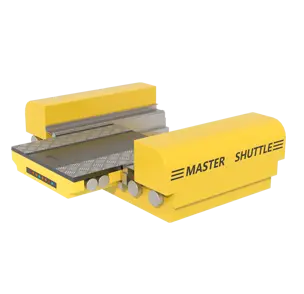
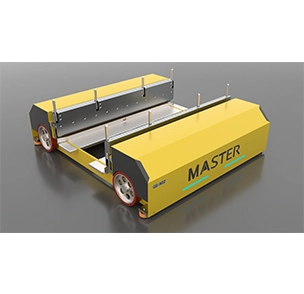
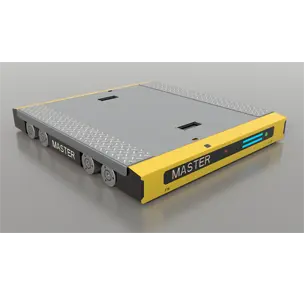
Warehouse safety has traditionally focused on protecting people from equipment. Forklift-pedestrian collisions, falling pallets, and repetitive motion injuries have been the primary concerns. Automation changes these risks. Some risks decrease. New risks appear. Understanding this shift is important for any facility considering automation.
This article explains how pallet shuttle, 4-way shuttle, and ASRS systems affect warehouse safety and what measures protect workers and equipment.
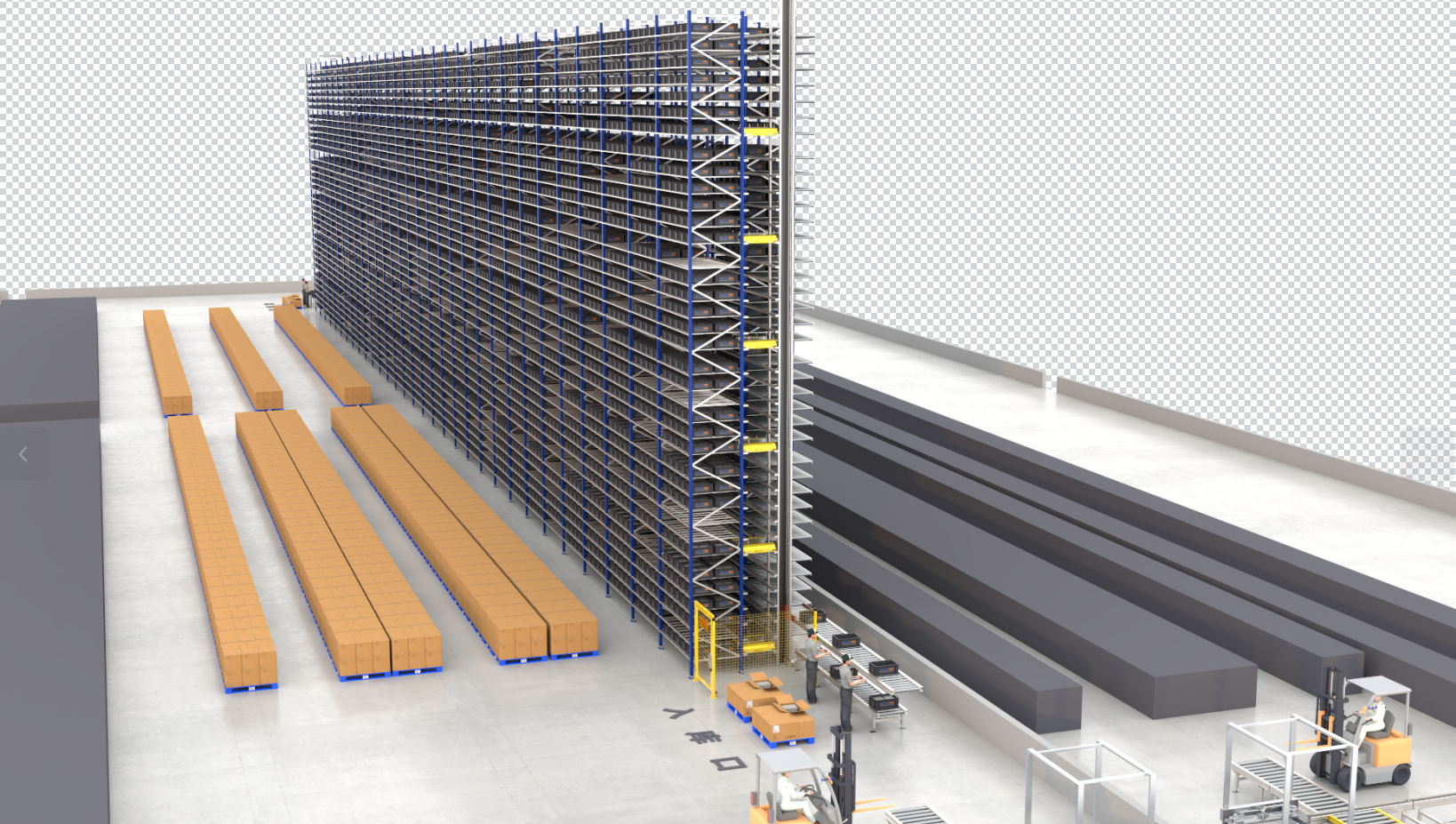
Risks That Decrease with Automation
Forklift-related incidents are among the most common causes of warehouse injuries. Forklifts strike pedestrians, tip over, drop loads, and cause collisions with racking. Automation reduces forklift traffic significantly.
In a pallet shuttle system, forklifts operate only at lane entrances. They do not enter deep storage lanes. This eliminates the risk of forklifts colliding with racking inside the lanes. In a 4-way shuttle system, forklifts may not be needed at all in the picking area. Shuttles handle all movement within the grid.
Pedestrian injuries decrease when fewer workers share space with moving equipment. In manual warehouses, pickers walk miles each day alongside forklifts. In automated systems, pickers work at stationary goods-to-person stations. They do not walk through travel paths. A 4-way shuttle system with goods-to-person picking keeps workers in designated safe zones.
Musculoskeletal injuries from lifting, reaching, and walking decrease when machines perform these tasks. Pallet shuttles move heavy pallets. Four-way shuttles carry totes to pickers. Workers no longer lift heavy items repeatedly or walk long distances. This reduces back injuries, knee problems, and fatigue-related errors.
Falling pallet risks decrease in automated storage. Pallet shuttles place pallets precisely on rails. They do not overhang or tip. ASRS cranes position pallets with consistent accuracy. Manual forklifts are more likely to misplace pallets, creating fall hazards.
New Risks That Appear with Automation
Equipment entanglement is a risk in any facility with moving machinery. Shuttles move along rails. Lifts raise and lower. Conveyors transport goods. Workers near this equipment must understand where not to reach or step.
Electrical hazards increase with more powered equipment. Shuttle charging stations, control panels, and wiring require proper installation and maintenance. Workers must be trained to disconnect power before servicing.
Software control failures can cause unpredictable equipment movement. A WCS error might send a shuttle to the wrong location. A sensor failure might prevent a shuttle from detecting an obstacle. Redundant safety systems and regular software testing mitigate these risks.
Confined space risks appear in some automated systems. Deep pallet shuttle lanes may be too narrow for a person to enter safely. Retrieving a stuck shuttle may require special tools or remote procedures. Workers must never enter lanes without proper lockout procedures.
Automated vehicle strikes are possible if safety systems fail. A 4-way shuttle moving at speed could strike a worker who enters the grid. Physical barriers, light curtains, and area scanners prevent this. Workers must also be trained to stay out of restricted zones.
Safety Features in Automated Systems
Physical barriers separate workers from automated equipment. Fencing around ASRS aisles prevents entry during crane operation. Guardrails along shuttle grids keep workers away from moving shuttles. Access gates with interlocks allow entry only when equipment is stopped.
Light curtains and area scanners detect when a person enters a dangerous zone. These sensors stop equipment automatically before contact occurs. They are common around robotic workcells and shuttle lifts.
Emergency stops are located throughout automated warehouses. Pull cords, push buttons, and wireless remotes allow workers to stop equipment from multiple locations. E-stops should be clearly marked and tested regularly.
Software safety interlocks prevent equipment from moving when conditions are unsafe. For example, a lift will not move if the gate is open. A shuttle will not enter a zone if the area scanner detects a person.
Audible and visual warnings alert workers when equipment is about to move. Horns, beacons, and flashing lights indicate that a shuttle is starting, a lift is moving, or a crane is operating.
Lockout/Tagout Procedures
Lockout/tagout (LOTO) is the process of isolating energy sources before performing maintenance. Automated warehouses have more energy sources than manual facilities.
Typical LOTO points include:
Electrical disconnects for control panels
Battery disconnects for shuttles
Pneumatic shutoffs for actuators
Hydraulic isolation for lifts
Workers must be trained to lock out each energy source before entering restricted areas. Written procedures must be posted at each LOTO point.
Worker Training for Automated Environments
Safety training in automated warehouses differs from manual warehouses. Topics include:
Hazard recognition: Workers must learn where automated equipment moves and where they are safe.
Access procedures: Workers must understand how to enter restricted zones safely, including using lockout/tagout.
Emergency response: Workers must know how to stop equipment and report incidents.
Maintenance safety: Technicians must understand specific risks of each equipment type.
Software interaction: Workers who interface with the WMS or WCS must understand how their commands affect equipment movement.
Training should be documented and refreshed regularly. New workers should be supervised until they demonstrate competence.
Designing for Safety from the Start
The safest automated warehouses incorporate safety into the initial design, not as an afterthought.
Separation of spaces: Designing separate zones for people and equipment reduces interaction. Pick stations outside the shuttle grid. Walkways away from crane aisles. Control rooms overlooking the operation.
Clear sightlines: Workers should be able to see approaching equipment. Operators should be able to see the areas their equipment serves.
Adequate lighting: Automated areas need good lighting for cameras, sensors, and workers who enter for maintenance.
Smooth floors: Shuttles and cranes require level floors for stable operation. Uneven floors create tipping risks.
Standardized access points: Every restricted area should have a single, clearly marked access point with an interlock.
Regulatory Compliance
Automated warehouses must comply with applicable safety regulations. In most regions, this includes:
Electrical safety standards for powered equipment
Lockout/tagout requirements for energy isolation
Guarding requirements for moving machinery
Emergency stop requirements
Training documentation requirements
A qualified safety professional should review any automation design before implementation.
Common Safety Mistakes
Several mistakes appear frequently in automated warehouse projects:
Underestimating training needs: Automation changes how people work. Training must cover not just how to operate the system but how to stay safe around it.
Skipping risk assessments: Each piece of equipment has unique hazards. A formal risk assessment identifies these hazards before installation.
Ignoring maintenance access: Equipment needs regular service. Design must allow technicians to reach components safely.
Forgetting about stuck shuttles: Shuttles occasionally stop in inaccessible positions. Recovery procedures must be safe for workers.
Overriding safety interlocks: Workers sometimes disable safety devices to speed up work. This is extremely dangerous and must be strictly prohibited.
Summary
Automation changes warehouse safety. Forklift incidents, pedestrian injuries, and musculoskeletal problems decrease. New risks appear, including equipment entanglement, electrical hazards, and software failures.
Automated systems include multiple safety features: physical barriers, light curtains, emergency stops, software interlocks, and warnings. Proper lockout/tagout procedures isolate energy before maintenance. Worker training must address the specific hazards of automated environments.
The safest facilities design for safety from the start, with separated spaces, clear sightlines, adequate lighting, and standardized access points. Regulatory compliance and regular risk assessments are essential.
Understanding these safety considerations helps facilities prepare for automation without compromising worker protection.


 English
  Español
  português
  العربية
  tiếng việt
  ไทย
ไทย  Indonesia