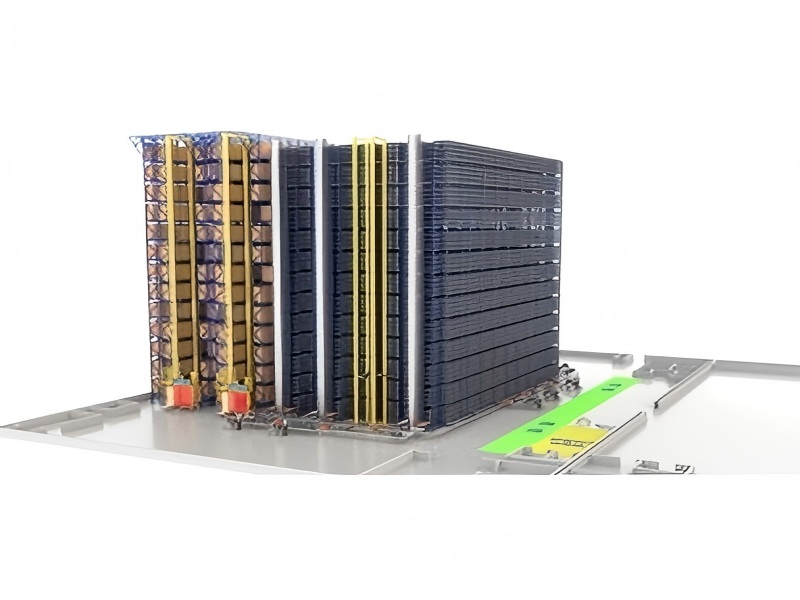
Cold storage warehouses operate under conditions that make conventional material handling more challenging. Low temperatures can affect equipment components, lubricants, batteries, sensors, electronics and even the way operators interact with warehouse systems. At the same time, refrigerated and frozen products often require strict inventory control, consistent storage conditions and efficient movement between receiving, storage and dispatch.
This is where an ASRS automated storage and retrieval system can provide a different approach to cold storage automation. Instead of relying heavily on manual forklift movements and operator access to every storage position, an automated storage and retrieval system uses controlled mechanical equipment and software to place and retrieve goods according to predefined storage and inventory instructions.
An ASRS system in warehouse applications can be particularly valuable when available floor space is limited or when the warehouse needs to maintain a stable temperature-controlled environment. However, cold storage ASRS cannot simply be treated as a standard warehouse system installed inside a colder room. Equipment selection, mechanical design, electrical components, maintenance procedures and software integration all need to account for the operating environment.
The following sections explain how ASRS technology can be adapted to cold storage and what warehouse operators should consider when planning an automated solution.
Cold Storage Requirements for ASRS: Temperature, Equipment and Operating Conditions
The first step in designing an ASRS system for cold storage is understanding the environment in which the equipment will operate. Temperature is an obvious consideration, but it is not the only one. Humidity, condensation, frost, temperature transitions and the frequency of door opening can all influence equipment performance.
When a warehouse has different temperature zones, the ASRS equipment may also encounter changing environmental conditions as goods move between areas. For example, equipment operating inside a cold chamber may experience different conditions from equipment located near loading docks or transition areas. These changes can affect sensors, electrical components and mechanical assemblies if the system is not designed appropriately.
Material selection is therefore important. Components exposed to low temperatures should be selected according to the actual operating environment, while moving parts require suitable lubrication and protection. Electrical and control components also need to be compatible with the expected temperature and humidity conditions.
The operating pattern of the warehouse matters as well. A facility with continuous automated movement has different requirements from a cold store where equipment operates intermittently. The number of storage and retrieval cycles, load characteristics, travel distances and operating schedules all influence the mechanical and control design.
For this reason, cold storage automation should begin with an assessment of the complete workflow rather than choosing an ASRS machine first. Product type, pallet or tote dimensions, storage requirements, throughput expectations and temperature conditions should be considered together.
Designing ASRS Equipment for Reliable Low-Temperature Operation
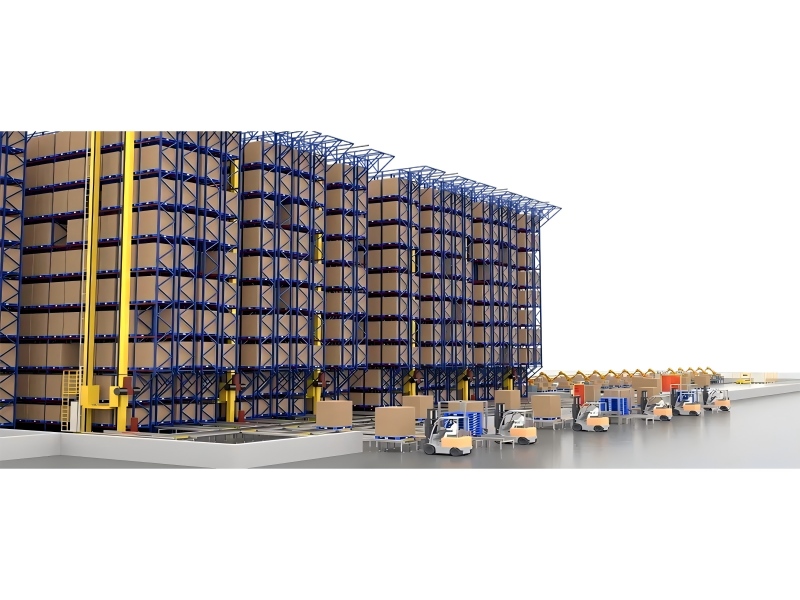
An ASRS automated storage and retrieval system relies on coordinated mechanical and electrical components. In a cold storage environment, each component has to perform consistently despite conditions that may be unsuitable for standard warehouse equipment.
Mechanical structures are generally designed around the expected load and storage configuration, but moving components require additional attention in low-temperature environments. Lubricants, bearings, chains, drive components and other moving parts need to be selected with operating temperature in mind. Materials and components that perform normally at room temperature may behave differently when exposed to prolonged cold.
Electrical equipment presents another consideration. Sensors, motors, cables, controllers and other electrical components need to be suitable for the environmental conditions in which they are installed. Reliable sensing is especially important because an automated system depends on position and load information to coordinate storage and retrieval movements.
Condensation can also become a concern when equipment or products move between significantly different temperatures. A properly designed installation should consider where condensation may occur and how sensitive components will be protected.
Maintenance accessibility is equally important. In a manual warehouse, technicians may be able to inspect equipment relatively easily. In a highly automated cold store, however, maintenance access can be more complicated because the system may occupy considerable vertical space and operate within a controlled-temperature zone. Designing appropriate access and maintenance procedures during the planning stage can reduce disruption later.
Master Auto Group approaches automated warehouse equipment as part of a complete material-handling solution. Businesses evaluating different ASRS configurations can review the company's automation and material-handling products while considering how individual equipment elements can fit into a broader cold storage workflow.
How ASRS Maximizes Storage Density in Temperature-Controlled Warehouses
Space is particularly valuable in temperature-controlled warehouses because refrigerated and frozen storage areas can involve significant operating costs. Every additional area that needs to be temperature-controlled can influence energy consumption, construction requirements and warehouse operating expenses.
An ASRS system in warehouse applications can improve the use of available space by automating vertical storage and reducing the need for wide aisles designed primarily for manual forklift operation. Instead of allocating large areas for vehicle movement and operator access, the storage layout can be designed around automated equipment and the characteristics of the stored loads.
This does not mean that every cold storage facility should simply maximize the number of storage positions. Storage density has to be balanced with accessibility, throughput, product rotation, fire protection requirements, equipment maintenance and the physical limitations of the building.
The greatest benefit often comes from designing storage and retrieval around the actual inventory profile. Products that require frequent retrieval may need to be positioned differently from goods intended for longer-term storage. The control system can then use inventory information to manage where goods are stored and how they are retrieved.
For cold storage operators, automation can also reduce the amount of time personnel need to spend working inside low-temperature areas. When the warehouse process is appropriately automated, operators can perform more activities from controlled work areas while the ASRS handles repetitive storage and retrieval movements inside the temperature-controlled zone.
| Consideration | Conventional cold storage handling | ASRS-based cold storage |
|---|
| Storage movement | Relies heavily on operator-driven equipment | Storage and retrieval movements are coordinated automatically |
| Vertical space | Limited by vehicle access and manual handling requirements | Can be incorporated more effectively into the storage layout |
| Inventory tracking | May involve greater dependence on manual scanning and recording | Can be integrated directly with warehouse control and inventory software |
| Operator exposure | Personnel may spend more time inside temperature-controlled areas | Automation can reduce some repetitive manual movement within cold zones |
| Storage consistency | Depends significantly on operating procedures | Storage locations can be assigned and controlled systematically |
| System flexibility | Can depend on available labor and handling equipment | Can be configured around defined storage, retrieval and routing rules |
Maintaining ASRS Performance and Reliability in Cold Storage Environments
Installing an ASRS automated storage and retrieval system is only part of the automation project. Long-term reliability depends on how the system is maintained after commissioning, particularly when equipment operates continuously in a demanding environment.
Cold storage maintenance should account for the components most affected by temperature and environmental changes. Mechanical assemblies need appropriate inspection and lubrication procedures, while sensors and electrical components should be checked for signs of contamination, condensation or other environmental effects.
Preventive maintenance is particularly important because access to automated equipment can be more difficult once the warehouse is fully operational. A minor issue with a sensor, drive component or positioning system can potentially interrupt automated storage and retrieval if it is not detected early.
Monitoring equipment condition can therefore become part of the overall reliability strategy. Depending on the control architecture, system data may provide information about equipment status, faults, cycle activity or other operational conditions. This information can help maintenance teams identify abnormal behavior before it develops into a larger operational problem.
Cold storage operators should also consider what happens during abnormal conditions. Power interruptions, communication failures, sensor faults or unexpected load positions can require defined recovery procedures. The ASRS control system should be designed with appropriate fault handling so that an isolated equipment problem does not unnecessarily compromise the entire storage operation.
Another important consideration is the transition between temperature zones. If equipment or loads move between cold and warmer environments, condensation and environmental changes need to be considered in both the equipment design and maintenance program.
WMS Integration and Automated Inventory Control for Cold Storage ASRS
The value of an ASRS system in warehouse applications extends beyond automated physical movement. The real advantage comes when storage equipment and inventory information operate as one connected process.
A Warehouse Management System, or WMS, can maintain information about products, inventory quantities, storage locations, orders and movement requirements. The ASRS control layer can then use this information to coordinate storage and retrieval operations.
For example, when goods arrive at the warehouse, the WMS can determine where inventory should be stored according to product information and warehouse rules. The ASRS equipment then performs the physical storage movement. When an order requires those goods, the system can retrieve the relevant load and deliver it to the appropriate downstream handling point.
This integration is especially useful in cold storage because inventory accuracy can be closely connected with product handling efficiency. The system can maintain a digital relationship between the product and its assigned storage position rather than relying entirely on manual location management.
Automated inventory control can also support product rotation strategies. Depending on the goods and warehouse process, storage rules may take factors such as production date, expiration date, batch information or order priority into account. The exact inventory logic depends on the WMS and the operational requirements of the facility.
The communication architecture should be considered before the ASRS project reaches the installation stage. WMS interfaces, equipment controls, barcode or RFID identification, inventory data and exception handling all need to work together. A mechanically capable ASRS can still create operational challenges if its software architecture does not match the warehouse's existing systems.
For facilities planning a new cold storage automation project, the best configuration depends on the actual building, inventory profile, storage loads and software environment. Discussing these requirements early with an automation supplier can help identify potential integration and layout issues before equipment is finalized. Companies looking to evaluate a project-specific application can contact Master Auto Group to discuss storage requirements, automation configuration and material-handling objectives.
Conclusion
Cold storage warehouses place demands on automated equipment that are different from those found in conventional ambient-temperature facilities. Low temperatures, condensation, equipment accessibility, product handling requirements and inventory control all need to be considered when designing an ASRS solution.
An ASRS automated storage and retrieval system can combine automated storage, retrieval, inventory tracking and vertical space utilization into one coordinated operation. When the mechanical design, environmental protection, control architecture and WMS integration are developed around the actual warehouse conditions, automation can support a more consistent and controlled storage process.
The most suitable ASRS system in warehouse applications is therefore not defined by the storage machine alone. It is the result of matching equipment, software and operating procedures to the products, building and temperature-controlled environment. For cold storage operators considering automation, this system-level approach provides a practical starting point for developing a reliable and scalable solution.
Frequently Asked Questions
1. Can an ASRS automated storage and retrieval system operate in cold storage?
Yes. An ASRS automated storage and retrieval system can be designed for temperature-controlled environments, but components, lubrication, electrical equipment, sensors and maintenance procedures need to be selected according to the actual operating conditions.
2. Why is ASRS useful for cold storage warehouses?
An ASRS system in warehouse applications can automate storage and retrieval, make more effective use of vertical space and reduce the need for some repetitive manual handling activities inside temperature-controlled areas.
3. Does cold temperature affect ASRS equipment?
It can. Low temperatures and temperature transitions may affect lubricants, mechanical components, sensors, electrical equipment and condensation behavior, which is why cold storage ASRS requires appropriate equipment selection.
4. Can an ASRS system in warehouse applications connect with a WMS?
Yes. An ASRS system in warehouse applications can be integrated with a WMS so that inventory information, storage locations, retrieval requests and equipment movements can be coordinated through a connected automation architecture.
5. Can ASRS increase storage density in a cold warehouse?
An ASRS automated storage and retrieval system can make greater use of vertical storage space and reduce some aisle requirements, potentially allowing a more space-efficient warehouse layout. The final storage density depends on the building and operational requirements.
6. What should be considered before installing ASRS in a cold storage facility?
Key considerations include temperature conditions, load characteristics, storage height, required throughput, equipment compatibility, maintenance access, inventory management and WMS integration when planning an ASRS system in warehouse environments.


 English
  Español
  português
  العربية
  tiếng việt
  ไทย
ไทย  Indonesia