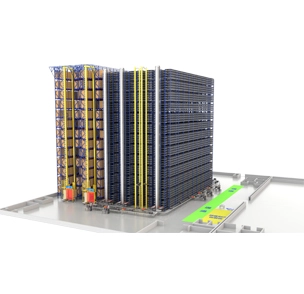
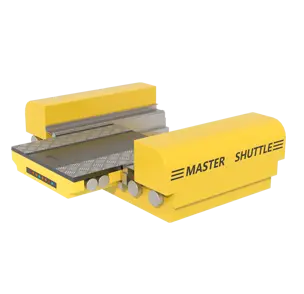
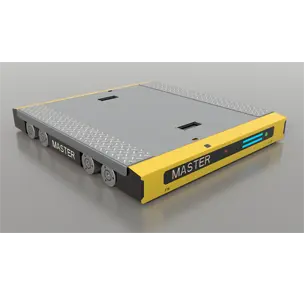
Warehouse automation often involves choosing between two types of shuttles: the four-way shuttle and the pallet shuttle. They look similar but serve different purposes.
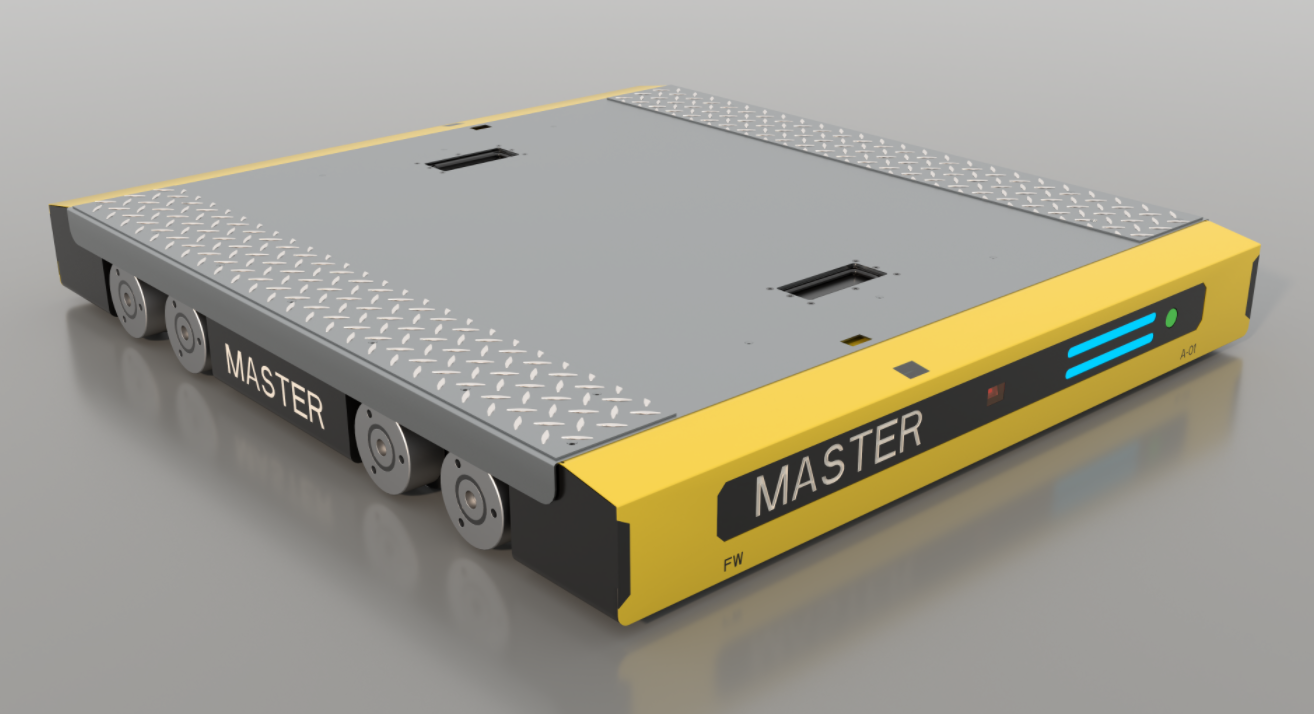
Four-Way Shuttle
A four-way shuttle moves on a grid of rails. It can go forward, backward, left, and right. This allows it to change aisles and access any location in the grid.
Four-way shuttles typically handle totes or cases, not full pallets. They work well in warehouses with many SKUs and high order volumes. E-commerce fulfillment centers often use them.
Multiple four-way shuttles can operate in the same grid. Software manages their paths to prevent collisions. Lifts move shuttles between levels.
Pallet Shuttle
A pallet shuttle moves in one direction along a deep storage lane. It carries full pallets. A forklift places a pallet at the lane entrance. The shuttle takes it to the deepest available position.
Pallet shuttles prioritize storage density over access speed. They are common in cold storage, food warehouses, and bulk material storage.
Each lane operates independently. If one shuttle fails, other lanes continue working.
Key Differences
Which One to Choose?
The choice depends on your operation. If you pick many small orders from thousands of SKUs, a four-way shuttle system makes sense. If you store full pallets and need maximum density, a pallet shuttle system is better.
Many warehouses use both. Pallet shuttles store bulk inventory. Four-way shuttles handle order picking. Each does what it does best.


 English
  Español
  português
  العربية
  tiếng việt
  ไทย
ไทย  Indonesia