Every square meter of warehouse space represents a business opportunity — and every unnecessary movement can create hidden operational costs. As supply chains become more complex and customer expectations for faster delivery continue to increase, warehouses in 2026 are under greater pressure to store more products, improve accuracy, and operate with higher efficiency.
The real challenge is no longer whether warehouse automation is needed, but which automation solution can deliver the best balance of storage capacity, flexibility, investment value, and long-term performance. Among the most widely considered technologies, the pallet shuttle system and ASRS (Automated Storage and Retrieval System) have become two leading choices for modern automated warehouses.
Although both solutions are designed to optimize warehouse operations, they follow different automation strategies. A pallet shuttle system focuses on maximizing pallet storage density, improving space utilization, and providing flexible automation for high-volume storage environments. In contrast, ASRS creates a highly automated warehouse ecosystem by combining robotic equipment, intelligent software, and automated retrieval processes.
Choosing between these two technologies is not simply a comparison of equipment — it is a decision that can influence warehouse productivity, operating costs, and future scalability. The right solution depends on factors such as inventory characteristics, storage requirements, throughput expectations, and automation objectives.
A properly designed pallet shuttle storage system can help businesses achieve efficient high-density storage while maintaining operational flexibility. Meanwhile, ASRS can provide advanced automation capabilities for warehouses requiring precise inventory control and continuous automated handling.
In this article, we compare pallet shuttle systems and AS/RS in 2026, exploring how each technology works, their differences in storage performance and cost, and how warehouse operators can select the most suitable automated storage solution for their long-term business goals.
How Pallet Shuttle Systems and ASRS Technologies Work in Automated Warehouses
Understanding how these two technologies operate is the first step in choosing the right warehouse automation solution. Although both improve storage efficiency, their working principles and automation approaches are significantly different.
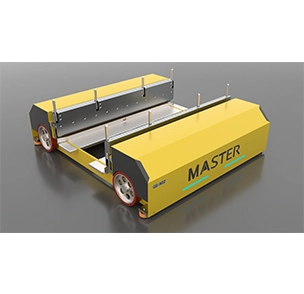
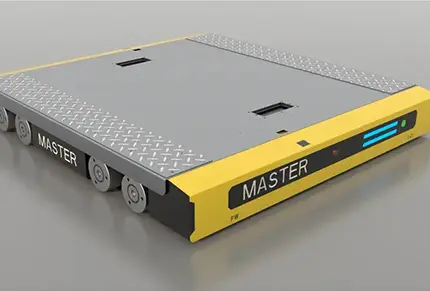
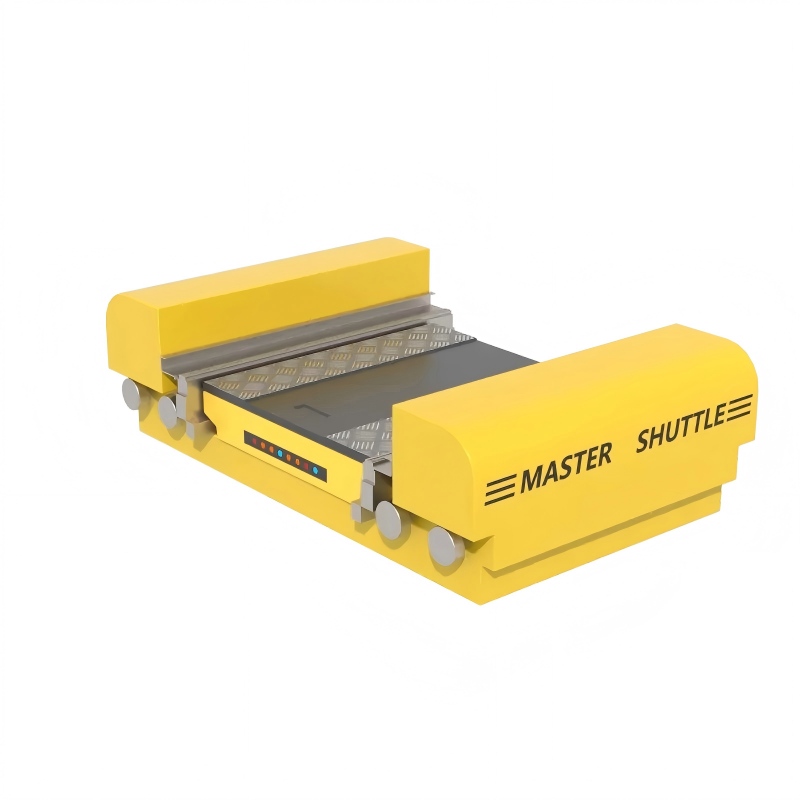
A pallet shuttle system is a high-density storage solution that uses motorized shuttle carts to move pallets inside rack channels. Instead of forklifts driving into deep storage lanes, the shuttle automatically transports pallets to available positions, reducing handling time and improving warehouse safety.
In a typical pallet shuttle storage system, operators place pallets at the rack entrance, and the shuttle cart moves them horizontally through the storage lane. Depending on warehouse requirements, the system can support FIFO (First-In-First-Out) or LIFO (Last-In-First-Out) inventory management.
The main advantage of pallet shuttle technology is its ability to maximize storage capacity without requiring large numbers of aisles. This makes it especially suitable for warehouses handling large quantities of similar palletized goods, such as food and beverage products, cold storage materials, automotive components, and industrial goods.
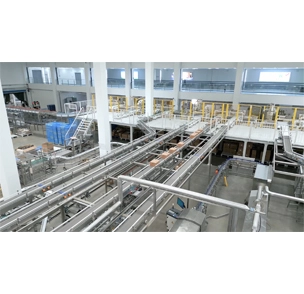
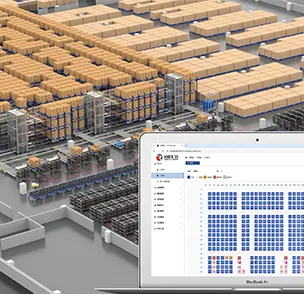
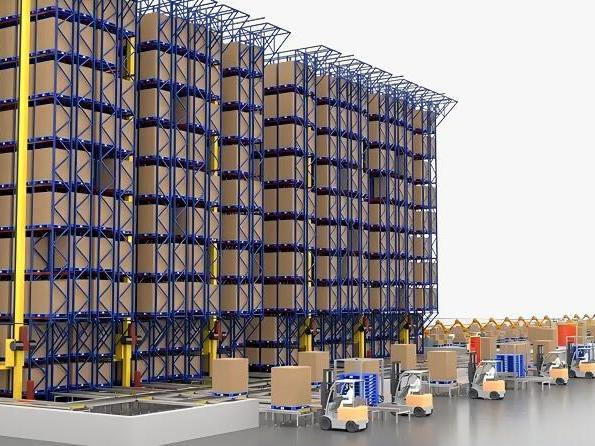
ASRS, or Automated Storage and Retrieval System, takes warehouse automation a step further by combining mechanical equipment, sensors, software, and automated control systems. Depending on the design, ASRS can use stacker cranes, robotic vehicles, conveyors, and warehouse management software to automatically store and retrieve goods.
Unlike a pallet shuttle system that mainly focuses on pallet movement within storage structures, ASRS manages the entire storage and retrieval process. It can identify storage locations, track inventory information, and execute orders with minimal human involvement.
For companies developing automated warehouse infrastructure, supporting components such as industrial cables, power connections, and signal transmission systems also play an important role in ensuring reliable equipment operation. Businesses can explore related industrial solutions through Master Auto-Group product.
Pallet Shuttle System vs ASRS: Key Differences in Automation, Storage Capacity, and Flexibility
The choice between a pallet shuttle system and AS/RS depends largely on warehouse goals. While both technologies improve efficiency, they offer different advantages in terms of automation level, storage design, flexibility, and investment requirements.
| Comparison Factor | Pallet Shuttle System | AS/RS |
|---|
| Automation Level | Semi-automated or fully automated depending on configuration | Highly automated with integrated software and robotic equipment |
| Storage Method | Motorized shuttle carts move pallets inside deep storage lanes | Automated cranes or robots store and retrieve products |
| Storage Density | Excellent for maximizing pallet storage capacity | High-density storage with optimized vertical utilization |
| Flexibility | Easy to expand and adapt for changing storage needs | Requires more structured planning and system integration |
| Initial Investment | Generally lower compared with complete automation systems | Higher investment due to software and automation equipment |
| Maintenance | Simple maintenance for shuttle units and rack structures | Requires specialized maintenance for mechanical and control systems |
| Ideal Applications | High-volume pallet storage with stable product categories | Complex warehouses requiring advanced automation management |
A pallet shuttle system is often preferred by companies that need higher storage density without completely rebuilding their warehouse automation structure. It provides a practical balance between manual operations and full automation.
ASRS is more suitable for warehouses where automation accuracy, real-time inventory visibility, and continuous operation are top priorities. However, the higher complexity means companies need stronger technical planning and integration capabilities.
In many modern warehouses, the decision is not simply about choosing the most advanced technology, but selecting the system that matches actual operational requirements. A flexible pallet shuttle solution may deliver better value for some businesses, while a fully automated ASRS environment may be the better choice for others.
Storage Density and Operational Efficiency: Which Solution Performs Better?
Storage density and operational efficiency are two of the most important factors when evaluating automated warehouse solutions. Both pallet shuttle systems and ASRS can significantly improve warehouse performance, but they achieve efficiency in different ways.
A pallet shuttle system improves storage density by reducing the need for multiple aisles and allowing pallets to be stored deeper within rack structures. Since forklifts do not need to enter storage channels, warehouses can utilize more available space for inventory storage.
This makes a pallet shuttle storage system particularly valuable in environments where space costs are high, such as cold chain warehouses and distribution centers. By increasing pallet positions within the same footprint, businesses can expand storage capacity without increasing building size.
Another advantage of pallet shuttle technology is operational flexibility. Companies can adjust the number of shuttle carts according to storage requirements and gradually expand automation as business needs grow. This scalability makes it attractive for warehouses that want to improve efficiency without immediately investing in a fully automated facility.
ASRS achieves efficiency through a different approach. Instead of focusing mainly on storage density, it combines automated movement, software intelligence, and precise inventory management. The system can automatically identify product locations, optimize retrieval sequences, and reduce human involvement in daily operations.
For high-throughput warehouses handling thousands of storage and retrieval tasks, ASRS can provide excellent operational consistency. It is especially suitable for businesses requiring strict inventory accuracy, fast order processing, and continuous automated workflows.
| Performance Area | Pallet Shuttle System Advantage | ASRS Advantage |
|---|
| Space Utilization | Excellent for deep-lane pallet storage | Excellent for vertical and automated storage optimization |
| Operational Flexibility | Easy adjustment and expansion | Requires more structured system planning |
| Inventory Accuracy | Good with proper management systems | Excellent through integrated automation software |
| Labor Reduction | Reduces forklift and manual handling needs | Minimizes manual operations across the warehouse |
The better-performing solution depends on warehouse priorities. Companies focused on maximizing pallet storage density may find a pallet shuttle system more suitable, while businesses seeking complete digital warehouse automation may benefit more from AS/RS.
Pallet Shuttle System vs ASRS Cost Analysis: Investment, Maintenance, and Long-Term ROI
Cost is one of the most important considerations when comparing a pallet shuttle system with ASRS. However, the best choice should not be based only on initial investment. Businesses should also evaluate maintenance requirements, operational savings, scalability, and long-term return on investment.
A pallet shuttle system generally requires a lower initial investment because it focuses on automated pallet movement within storage racks rather than complete warehouse automation. For many companies, this makes it an attractive option for upgrading existing warehouses.
The lower complexity of pallet shuttle solutions can also reduce maintenance challenges. Shuttle carts, rack structures, and control components are relatively straightforward to manage, allowing companies to maintain efficient operations with less technical complexity.
ASRS usually requires a larger upfront investment because it includes automated handling equipment, warehouse software integration, sensors, and control systems. However, the long-term benefits can be significant for large-scale operations with high inventory turnover.
By reducing manual labor requirements, improving inventory accuracy, and optimizing workflow efficiency, ASRS can create strong long-term value for companies that need advanced automation capabilities.
| Cost Factor | Pallet Shuttle System | ASRS |
|---|
| Initial Investment | Moderate and suitable for many warehouse upgrades | Higher due to complete automation infrastructure |
| Installation | Relatively simple integration with existing storage layouts | Requires detailed engineering and system design |
| Maintenance | Lower complexity and easier component replacement | Requires specialized technical support |
| Long-Term ROI | Strong value for high-density storage applications | Strong value for large automated operations |
For warehouses investing in automation infrastructure, reliable electrical systems are also essential. Stable power transmission and signal communication can directly influence automated equipment performance. Companies looking for industrial cable solutions can contact Master Auto-Group experts to discuss suitable applications.
How to Choose Between a Pallet Shuttle System and ASRS for Your Warehouse in 2026
Selecting between a pallet shuttle system and ASRS requires a clear understanding of warehouse objectives. The most advanced technology is not always the best solution; the right choice is the one that matches operational requirements and future growth plans.
A pallet shuttle system may be the better option if your warehouse requires:
High-density pallet storage within limited space
Improved storage capacity without major infrastructure changes
Flexible automation with scalable expansion
Reduced forklift movement and improved safety
A cost-effective solution for large-volume pallet storage
ASRS may be more suitable when your warehouse requires:
Fully automated storage and retrieval operations
Advanced inventory tracking and software integration
High-speed and high-frequency product movement
Maximum reduction of manual handling
Continuous automated warehouse operation
Before making a decision, warehouse operators should evaluate several factors:
Product characteristics: Consider pallet sizes, product turnover rates, and storage conditions.
Space limitations: Analyze whether maximizing storage density is the primary goal.
Automation objectives: Determine whether partial automation or full automation is required.
Future expansion: Choose a system that can support long-term business growth.
Total ownership cost: Consider investment, maintenance, energy usage, and operational savings.
In 2026, many businesses are also exploring hybrid warehouse strategies by combining pallet shuttle technology with other automation solutions. This approach allows companies to achieve improved efficiency while maintaining flexibility.
Conclusion
The comparison between a pallet shuttle system and AS/RS shows that both technologies provide valuable benefits for modern warehouses, but they are designed for different operational goals.
A pallet shuttle storage system is an excellent choice for businesses that prioritize high-density storage, flexibility, and cost-effective automation. It allows warehouses to increase capacity, reduce manual handling, and improve efficiency without the complexity of a fully automated system.
ASRS, on the other hand, is ideal for companies seeking advanced warehouse automation, precise inventory control, and highly integrated operations. While the investment and implementation requirements are higher, it can deliver significant benefits for large-scale and high-throughput facilities.
Ultimately, the best automated storage solution depends on warehouse size, inventory requirements, operational goals, and long-term development plans. By carefully comparing the strengths of pallet shuttle systems and ASRS, businesses can select the technology that creates the greatest value for their warehouse in 2026 and beyond.
FAQ
1. What is the difference between a pallet shuttle system and ASRS?
A pallet shuttle system mainly automates pallet movement inside storage racks, while ASRS automates the complete storage and retrieval process using software, robots, and automated equipment.
2. Is a pallet shuttle system fully automated?
A pallet shuttle system can be either semi-automated or fully automated depending on warehouse design, equipment configuration, and integration requirements.
3. Which solution provides better storage density?
Both solutions improve storage density, but pallet shuttle systems are especially effective for deep-lane pallet storage and maximizing available warehouse space.
4. Is ASRS more expensive than a pallet shuttle system?
Generally, ASRS requires a higher initial investment because it includes advanced automation equipment, software systems, and integration processes.
5. What industries use pallet shuttle storage systems?
Pallet shuttle storage systems are commonly used in food and beverage, cold storage, manufacturing, automotive, logistics, and industrial warehousing applications.
6. How should businesses choose between pallet shuttle and ASRS?
Businesses should evaluate storage requirements, automation goals, budget, inventory characteristics, and future expansion plans before selecting a solution.


 English
  Español
  português
  العربية
  tiếng việt
  ไทย
ไทย  Indonesia