Headlines scream about labor shortages. You feel it every day: positions go unfilled for months, turnover is crippling, and the available workforce often lacks the specific skills you need. The instinct is to see automation as the enemy—a job-killing machine. But this view is dangerously outdated. In today's reality, automation isn't the cause of the labor crisis; it's the only viable solution.
The problem isn't a lack of people. It's a mismatch between the jobs available and the workforce's desires and capabilities. People don't want back-breaking, repetitive, low-precision jobs in cold, noisy warehouses anymore. And frankly, your growing business shouldn't rely on them.
How ASRS, Pallet Shuttles, and 4-Way Shuttles Redefine "Warehouse Jobs"
Think of automation not as replacing workers, but as transforming the work. It takes the unsustainable parts of the job and gives them to machines, creating new, more sustainable human roles.
Eliminating the Unsustainable:
The Old Job: A picker walks 15 miles a day in a freezer, lifting heavy cases, with high error pressure.
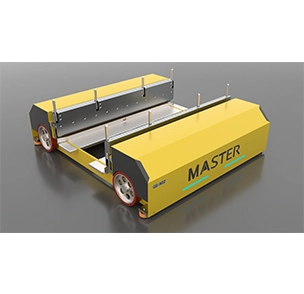
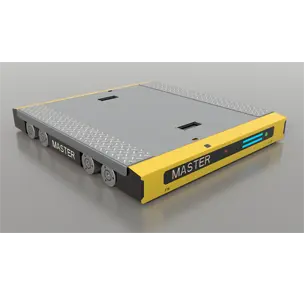
The Automation Fix: A Pallet Shuttle handles the deep-freeze storage. A 4-Way Shuttle brings items to a climate-controlled workstation. The walking, heavy lifting, and cold exposure are gone.
Creating the New, Sustainable Roles:
Automation Technician: Someone like Mike, who maintains and optimizes the fleet of shuttles and ASRS cranes. This is a skilled, certified role with career progression.
Flow Optimizer: Someone like Maria, who analyzes data from the 4-Way Shuttle system to improve picking algorithms and layout. This is an analytical, continuous improvement role.
System Supervisor: The manager who monitors the digital twin of the entire operation, making strategic decisions based on live data instead of putting out fires.
The New Math of Workforce Strategy
The equation flips. Instead of: [Business Growth] = [Find More Low-Skill Labor], which is now impossible...
The new equation is: [Business Growth] = [Automate Repetitive Tasks] + [Upskill Existing Team] + [Hire for Higher-Value Skills].
You're not reducing headcount. You're increasing your operation's IQ per employee. One technician overseeing a Pallet Shuttle system can manage the throughput of 5 old-school forklift drivers—with better accuracy, safety, and lower cost.
Attracting Talent in a New Way
Which job posting attracts better candidates?
"Warehouse Picker: Heavy lifting, fast-paced, cold environment."
"Automation Operations Specialist: Work with cutting-edge robotics systems to ensure smooth logistics flow."
The second ad attracts a different demographic—tech-curious, problem-solvers. It future-proofs your talent pool.
The Strategic Imperative
Relying on an ever-shrinking pool of labor for repetitive tasks is a dead-end strategy. It caps your growth and injects massive risk into your operations. Automation is the bridge to a new model where humans and machines collaborate: machines handle the predictable, physical grind; humans handle the supervision, exception management, and optimization.
The choice is no longer between people and robots. The choice is between being stranded without a workforce and building a future-ready operation where people can do their best work.
Ready to solve the labor paradox and build a workforce for the future? Let's design a system that empowers people, not replaces them.


 English
  Español
  português
  العربية
  tiếng việt
  ไทย
ไทย  Indonesia