Managing a modern cold chain is an exercise in strict environmental control and relentless time management. In the temperature-controlled logistics sector, time is quite literally currency; a delay of just one hour in an unbuffered climate transition zone can increase perishable spoilage rates by up to 15%. When handling frozen foods, fresh produce, or temperature-sensitive biopharmaceuticals, traditional manual sorting methods quickly reveal their limitations. Human operators cannot sustain high-intensity physical labor in deep-freeze environments reaching -25°C, and typical battery-powered material handling equipment undergoes severe degradation under extreme cold.
To overcome these ambient bottlenecks, modern cold storage facilities are rapidly introducing specialized automatic sorting conveyor networks. By removing manual handling and automating material flows directly inside or adjacent to the sub-zero storage core, these systems allow logistics operators to scale their throughput, eliminate picking errors, and drastically reduce the thermal footprint of their operations.
Features of the Automated Sorting Conveyor System
Industrial-grade sorting machinery engineered for cold environments does not simply replicate ambient automation; it utilizes specialized structural metallurgy and low-temperature electronics to maintain consistent operations under harsh conditions.
Capable of Continuously and Massively Sorting Goods
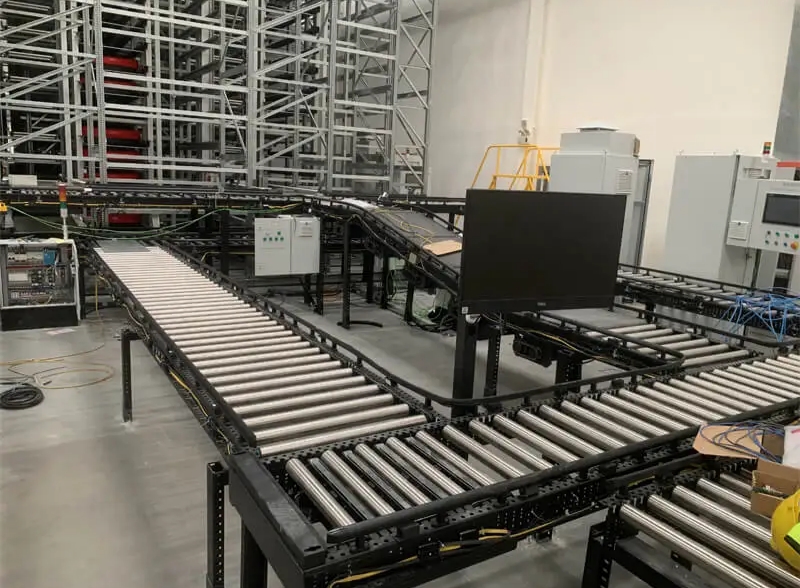
An automated conveyor setup operates on a continuous, assembly-line cadence that completely bypasses the physical limitations of manual labor. While a team of human warehouse operators working in standard ambient conditions can sort roughly 150 packages per hour—a number that drops significantly when those workers are wearing heavy insulated suits in a freezer—a high-speed warehouse sorting machine can easily maintain an unyielding throughput of up to 7,000 packages per hour.
Furthermore, these heavy-duty systems are engineered for industrial longevity. Built with robust frame configurations, they can operate continuously for more than 100 consecutive hours without requiring thermal rest cycles or mechanical adjustments.
Extremely Low Sorting Error Rate
In cold chain fulfillment, misplacing a batch of perishable items on the wrong outbound dock can cause immediate product loss due to temperature deviations. Automatic sortation systems mitigate this risk by integrating intelligent data capture directly into the line.
By pairing high-speed, multi-sided barcode scanning tunnels with absolute optical recognition sensors, the system tracks each product's precise digital profile in real time. This automated scanning loop virtually eliminates human processing errors. Unless an inbound shipping label is physically damaged or unreadable, the mechanical sorting accuracy sits at nearly 100%, protecting critical product batches and streamlining compliance reporting.
Sorting Operations Are Almost Unmanned
By reducing human presence within the freezer envelope, facilities protect their workers from extreme occupational stress while maximizing the efficiency of their staff. Within a fully integrated conveyor loop, human involvement is strategically limited to high-level supervisory roles and critical gateway checkpoints:
Inbound Intake: Receiving raw pallets and induction loads when delivery vehicles attach to the refrigerated dock doors.
System Supervision: Monitoring the sorting software interface, managing routing profiles, and performing diagnostic checks from an ambient control room.
Outbound Consolidation: Securing, wrapping, and loading the accurately sorted goods at the terminal ends of the discharge lines.
Preventative Maintenance: Conducting routine scheduled technical audits and managing component replacements to ensure long-term mechanical reliability.
Technical Adaptation: Ambient vs. Cold Chain Sortation
Deploying an automatic sorting conveyor in a sub-zero environment requires major upgrades to its underlying hardware components. Standard steel, industrial plastics, and standard lubricants will seize, crack, or fail prematurely when exposed to deep-freeze conditions.
Technical Specification Overview
| Engineering Factor | Ambient Sorting Systems | Cold Storage Sorting Systems |
|---|
| Operational Temperature | 10°C to 45°C | -25°C to 4°C |
| Structural Material | Standard Carbon Steel | Low-Temperature Alloy Steel / Stainless Steel |
| Belt Compound Type | Standard PVC / Modular Plastic | Cold-Resistant, Flexible Polyurethane (-30°C rated) |
| Sensor Safeguards | Open Frame Photoelectric | Hermetically Sealed, IP69K Anti-Condensation |
| Lubrication Type | Standard Mineral Grease | High-Grade Low-Viscosity Synthetic Synthetic |
Prospects of the Automated Sorting Conveyor System in Shared Logistics
As the logistics sector shifts toward consolidated infrastructure, the development of automated sorting systems is intersecting directly with the rapid growth of "shared logistics" and centralized third-party fulfillment centers.
Intelligent, Market-Oriented, and Specialized Logistics Sorting Equipment
Modern multi-tenant cold storage facilities require highly adaptable hardware capable of processing vastly different package types—ranging from lightweight, fragile pharmaceutical boxes to heavy, frozen seafood crates. To meet these demands, the modern warehouse sorting machine has evolved into a highly modular system.
Furthermore, 2026 industry standards place an emphasis on long-term equipment reliability. Leading manufacturing networks support these automated lines with proactive digital services, including remote PLC diagnostics, predictive vibration tracking, and synchronized spare parts distribution. These software-driven updates ensure the sorting line scales alongside changing business requirements without requiring a complete hardware overhaul.
Shared Warehousing Resources Enhance Energy Efficiency Usage
Under the modern shared logistics model, centralized "cloud warehouses" consolidate the inventory of multiple small and medium-sized enterprises (SMEs) into a single, high-efficiency regional facility. This concentration of product volume provides the consistent throughput needed to fully utilize a high-capacity sorting system.
Rather than running multiple, energy-inefficient manual facilities across a region, operators route mixed inventory through unified box and pallet conveyor networks. These advanced lines feature on-demand zone control, automatically powering down idle conveyor sections when no packages are detected. This smart power distribution yields energy savings of 30% to 40% compared to conventional continuous-run systems, directly lowering the steep refrigeration costs associated with cold chain management.
Strategic Sourcing: Partnering with a Tier-1 Manufacturer
Implementing a high-capacity, sub-zero sortation network requires a manufacturing partner with deep expertise in both heavy industrial fabrication and advanced automation software.
For comprehensive plant layouts and high-performance equipment procurement, technical buyers turn to Tianjin MASTER. Operating from a world-class 50,000-square-meter manufacturing plant equipped with over 100 sets of advanced CNC precision machine tools, Tianjin Master delivers completely independent engineering, architectural layout design, and hardware fabrication.
Holding more than 40 individual invention and utility patents, our specialist engineering teams manage your entire project lifecycle—from initial material flow analysis and cold-adapted mechanical engineering to custom WMS/WCS software development and global on-site commissioning. To evaluate our full sorting machinery lineup and discover how we can customize a layout for your thermal parameters, explore our options on our Products Page. Sourcing directly from our source factory guarantees robust material quality, reliable project timelines, and seamless software integration for your automated facility.
Conclusion
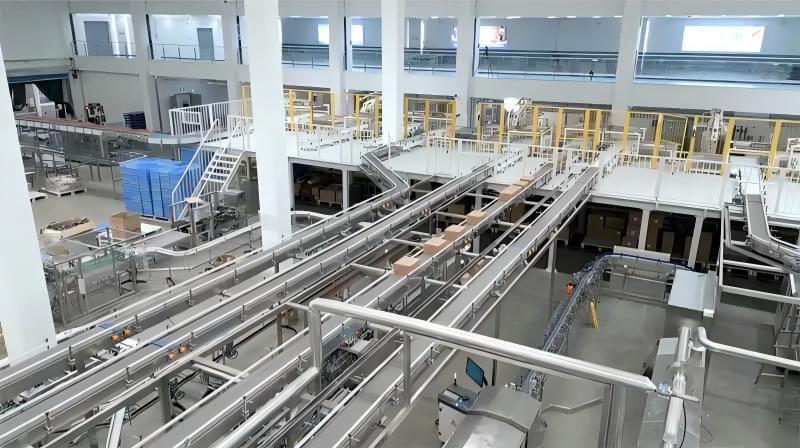
Integrating an advanced automatic sorting conveyor network into cold chain logistics is a highly effective strategy for eliminating operational bottlenecks, safeguarding perishable goods, and reducing structural energy loss. By replacing error-prone manual labor with a high-capacity warehouse sorting machine, logistics providers gain the speed and precision required to meet modern fulfillment timelines. Partnering with a vertically integrated manufacturer like Tianjin Master ensures your sub-zero operation is backed by rugged, safety-compliant machinery designed to transform automated material flow into a long-term competitive advantage.
Frequently Asked Questions (FAQ)
How do sorting conveyors prevent frost and ice buildup in cold storage?
Cold-adapted sortation systems utilize hermetically sealed electrical components, internal heating elements within control enclosures, and IP69K-rated sensors. These built-in thermal safeguards completely prevent condensation and frost buildup during continuous multi-day shifts.
What is the maximum throughput of an automatic sorting conveyor in a cold warehouse?
Industrial-grade sorting systems are engineered to process up to 7,000 packages or cases per hour, depending on product dimensions and weight. This represents a significant performance increase over traditional manual picking methods.
Can a warehouse sorting machine handle both delicate frozen foods and rigid plastic totes?
Yes, modern automated sorting machines are highly versatile. Utilizing advanced diverted mechanisms, modular roller systems, or sliding shoe technologies, they gently route a diverse mix of packaging styles without compromising product packaging or causing product damage.
What are the main benefits of buying sorting machinery directly from a factory?
Sourcing directly from an established factory ensures complete control over engineering steel grades, access to low-temperature component configurations, and long-term parts availability. It also streamlines the integration of custom Warehouse Control Software (WCS) with your existing facility management platforms.


 English
  Español
  português
  العربية
  tiếng việt
  ไทย
ไทย  Indonesia