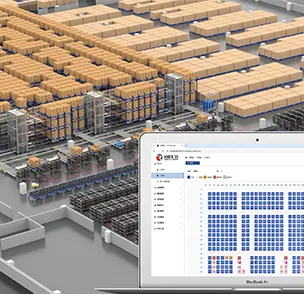
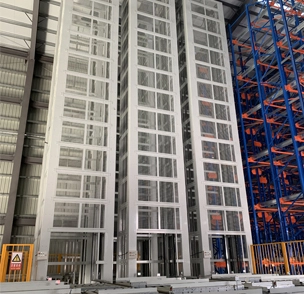
When people picture warehouse automation, they imagine shuttles moving and cranes lifting. But these machines cannot function without software telling them what to do. The software is the brain. The equipment is the body.
This article explains the two main software systems in automated warehouses: WMS and WCS.
What is WMS?
WMS stands for Warehouse Management System. It manages inventory data. The WMS knows what items are in the warehouse, where each item is located, and how many units are available.
The WMS also processes incoming orders. It decides which items need to be picked and in what sequence. It tracks inventory as items move from receiving to storage to shipping.
In a pallet shuttle system, the WMS records which pallet is in which lane and at what depth. In a 4-way shuttle system, the WMS tracks which tote is in which grid cell. In an ASRS, the WMS knows the exact rack position of every pallet.
What is WCS?
WCS stands for Warehouse Control System. It directs equipment movement. The WCS takes instructions from the WMS and translates them into specific actions for shuttles, cranes, and lifts.
The WCS decides which shuttle should retrieve which item. It calculates the most efficient path for that shuttle. It manages traffic to prevent collisions. It coordinates lifts to move shuttles between levels.
Without a WCS, the WMS would know what needs to be done but would have no way to tell the equipment how to do it.
How They Work Together
A typical operation follows this sequence:
An order arrives in the WMS.
The WMS determines which items are needed and where they are located.
The WMS sends a retrieval request to the WCS.
The WCS selects an available shuttle and calculates a path.
The WCS directs the shuttle to the item location.
The shuttle retrieves the item and brings it to a pick station or conveyor.
The shuttle reports completion to the WCS.
The WCS reports completion to the WMS.
The WMS updates inventory records.
This entire sequence happens in seconds, without human intervention.
Why Both Systems Are Needed
Some vendors offer combined WMS/WCS products. Others keep them separate. Both approaches work.
The separation exists because WMS and WCS handle different time scales. WMS makes strategic decisions about inventory and orders. These decisions change over hours or shifts. WCS makes tactical decisions about equipment movement. These decisions change every second.
Keeping them separate allows each system to focus on what it does best. It also allows warehouses to change their WMS without replacing the WCS, or vice versa.
Key Features of Modern Systems
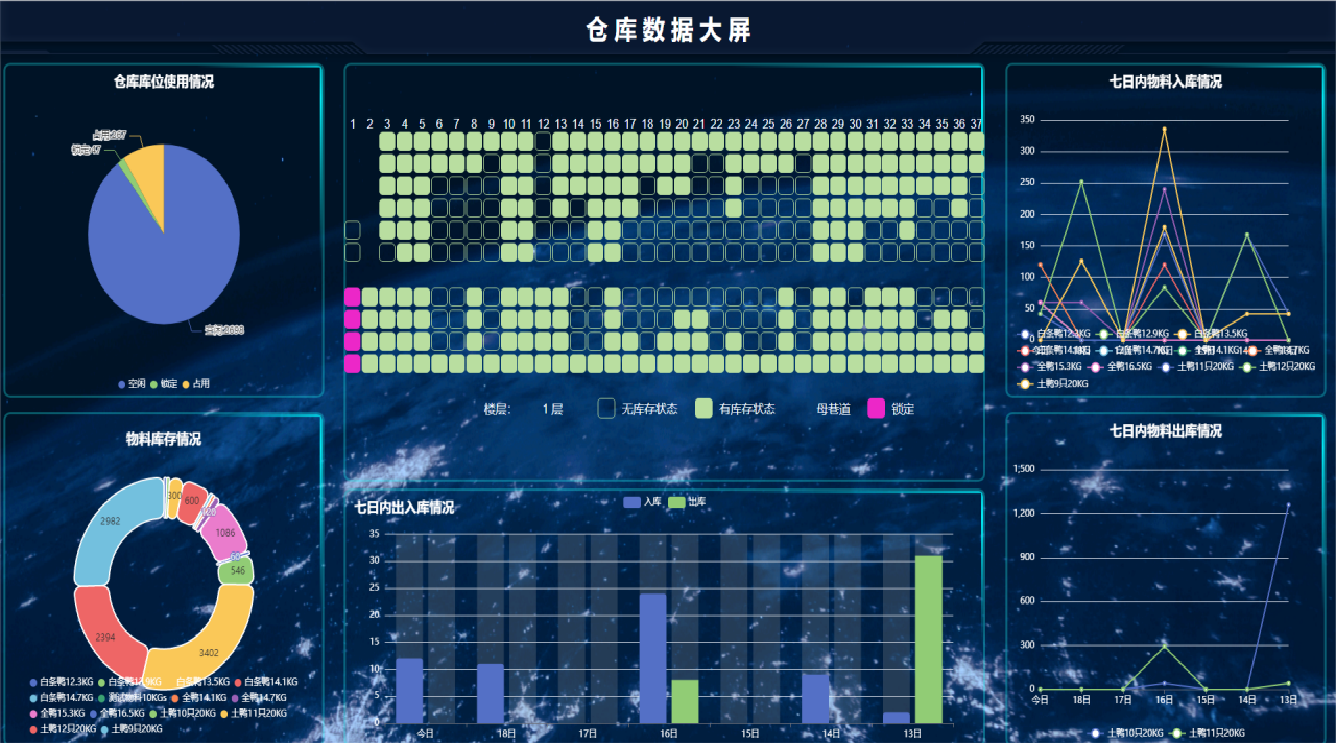
Real-time visibility: Both systems show current inventory levels, equipment status, and order progress on dashboards.
Integration capabilities: Systems connect to ERP, transportation management, and e-commerce platforms.
Reporting and analytics: Systems track performance metrics like throughput, utilization, and error rates.
Remote monitoring: Some systems allow vendor access for troubleshooting and optimization.
Summary
WMS and WCS work together as the brain of an automated warehouse. The WMS manages inventory and orders. The WCS directs equipment movement. Both are necessary. Neither can function alone.
For warehouses considering automation, understanding these two systems helps in evaluating vendor proposals and planning implementation.


 English
  Español
  português
  العربية
  tiếng việt
  ไทย
ไทย  Indonesia