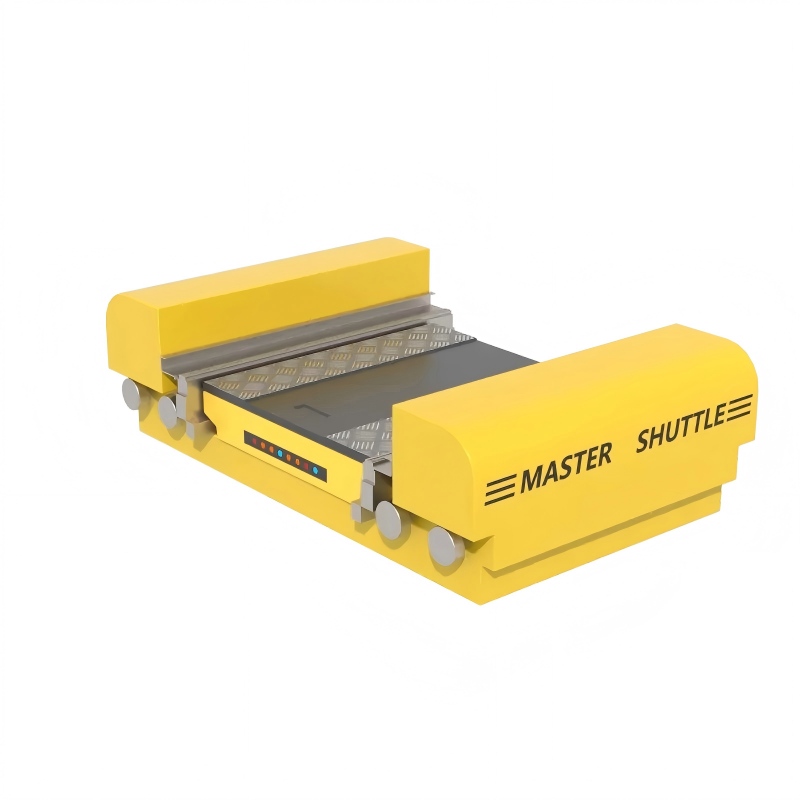
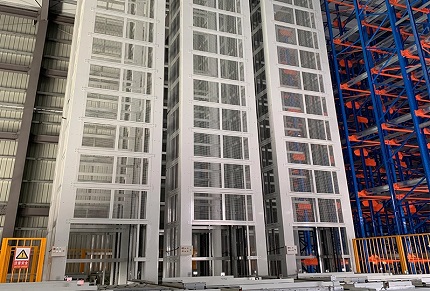
The global logistics landscapes of 2026 demand unprecedented density, speed, and intelligence from material handling systems. As real estate costs climb and labor pools shift, industrial enterprises are rapidly moving away from legacy manual forklift setups toward high-bay vertical automation. At the absolute heart of this architectural transformation sits the automated stacker crane.
Choosing the right robotic picking machinery is one of the most substantial capital investments an industrial facility will make. A miscalculated specification can result in structural bottlenecks or premature component wear, whereas a perfectly optimized system can double or triple your facility’s total throughput capacity. This comprehensive guide outlines the critical variables required to evaluate, select, and procure the ideal system for your operation.
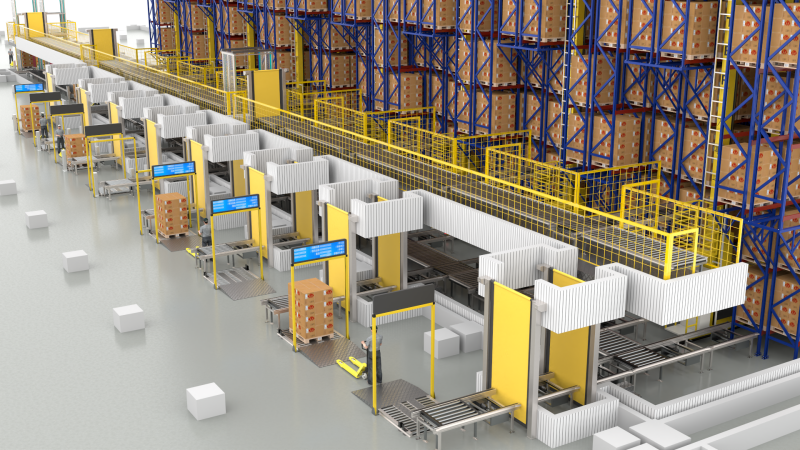
Assess Your Warehouse Requirements and Storage Needs
Before analyzing technical machinery brochures, you must thoroughly audit your physical facility constraints and operational workflows. An automated vertical retrieval system must be precisely tailored to the specific volume and throughput metrics of your supply chain.
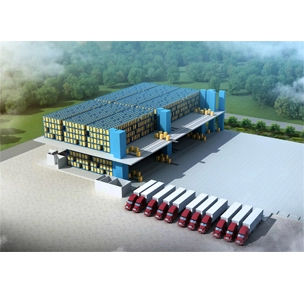
First, examine your physical storage footprint. Automated logistics systems thrive in facility structures that are typically designed to be long and narrow, providing strong adaptability for high-density storage. Because of the extreme reach of modern masts, these installations have strict ceiling clear height requirements, generally above 10 meters, to make the structural investment economically viable.
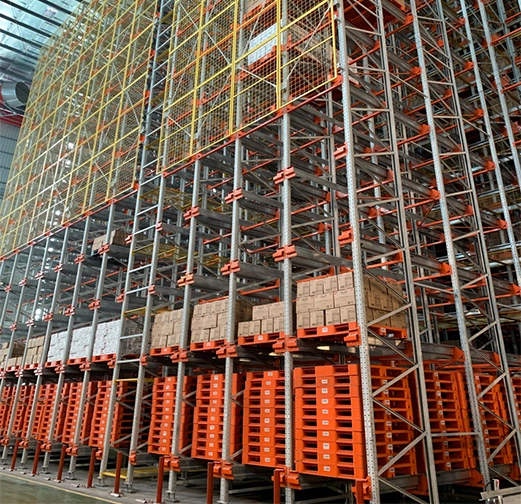
Second, analyze the exact characteristics of your inventory profiles and seasonal material flow. These high-capacity automated systems are ideal for handling goods with large inbound and outbound volumes, primarily handling whole pallets, and are particularly suited to warehouses with smaller, less frequent manual case-picking needs. If your facility runs on a rapid pallet-in, pallet-out cadence, vertical automated cranes offer the ultimate density solution.
Key Technical Specifications to Consider
When evaluating different structural models, processing engineers must balance multiple interconnected dynamic performance capabilities. Velocity metrics must align with your peak hourly dispatch cycles, while the physical chassis design must support your heaviest load units without structural deflection.
Speed, Acceleration, and Weight Capacities
Industrial-grade machinery built by a qualified stacker crane factory must deliver precise variable speed control across three distinct axes: horizontal travel along the floor rail, vertical lifting of the carriage along the mast, and lateral extension of the storage forks.
Top-tier heavy-duty models feature standard rated capacities of up to 1200 kg per pallet position. To maintain high-velocity cycling across extensive aisle depths, premium units achieve horizontal moving speeds ranging from 90 meters per minute up to an impressive 220 meters per minute, with rapid acceleration profiles around 0.5 meters per second squared. Simultaneously, vertical lifting speeds should smoothly throttle between 30 and 60 meters per minute to ensure rapid vertical tier changes without damaging fragile cargo.
Matching Mast Structures and Fork Depths to Your Layout
Rather than relying on a one-size-fits-all model, you must choose a specific physical configuration that balances your ceiling height, material weight, and ultimate storage density goals:
Single Upright Masts for Speed: Best suited for light to medium pallet loads (up to 800 kg), single-mast designs reduce dead weight, allowing for maximum acceleration and faster cycle times in standard-height automated warehouses.
Double Upright Masts for Heavy Duty: Engineered for heavy industrial manufacturing and maximum loads (up to 1200 kg), double-mast configurations offer superior bending and shear resistance, ensuring structural stability at extreme heights.
Single-Deep Telescopic Forks for Rapid Access: Ideal for high-turnover logistics centers with a vast number of unique SKUs, providing instant, unblocked access to every single pallet position in the rack.
Double-Deep Telescopic Forks for Maximum Density: By extending the fork reach to store two pallets deep per rack slot, this setup eliminates redundant travel aisles, maximizing storage capacity within a significantly smaller building footprint.
Safety Features and Reliability
Industrial safety standards in 2026 focus heavily on total mechanical redundancy and intelligent preventative digital tracking. Because these massive structures handle multi-ton loads at high velocities, multiple mechanical and electrical safeguards must be built directly into the chassis.
Mechanical Fail-Safes and Structural Integrity
When choosing a trusted manufacturer, look closely at the structural design of the platform and carriage. The structural safety configuration must be robust enough to withstand continuous shear forces during high-speed braking sequences. Premium machines feature enhanced platform framing that provides significantly higher bending and shear resistance compared to standard options, ensuring a long service life and a low mechanical failure rate.
Essential hardware components should include redundant over-travel limit switches, dual hydraulic buffers at both ends of the floor rail, electronic overload monitoring sensors, and robust anti-drop safety clamps that lock the carriage instantly if hoist cable tension drops unexpectedly.
Microscopic Leveling and Positioning Precision
As high-bay racking grows taller, minor millimeter deviations at ground level compound into major positioning errors at a height of 20 meters. Legacy systems that rely on simple mechanical encoders struggle with structural swaying and rail slippage.
Modern high-performance units overcome this challenge by deploying integrated laser barcode positioning working alongside absolute position tracking systems. This combined digital mapping architecture delivers an exact positioning accuracy of ±2mm. This microscopic level of precision is highly essential for projects with extreme high stacker heights and high efficiency requirements, ensuring forks insert smoothly into pallet runners without clipping the surrounding rack structure.
Integration with ASRS and Existing Systems
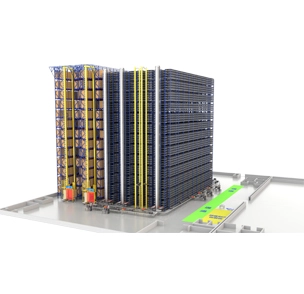
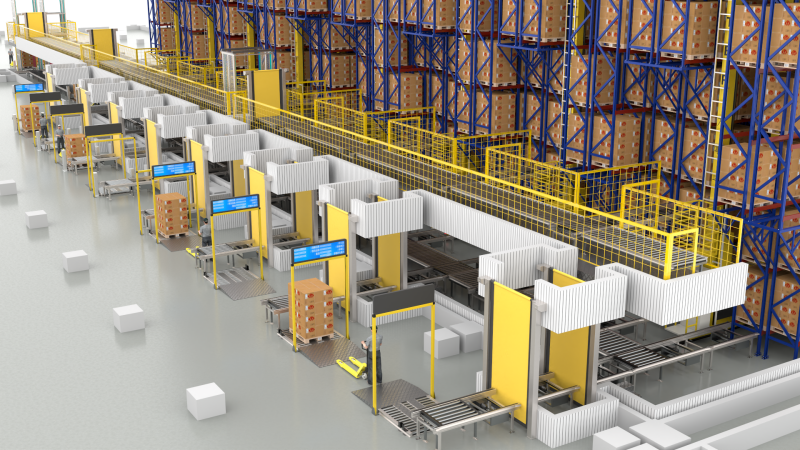
A stacker crane cannot operate as an isolated island of automation. Its true operational value is unlocked when it acts as the high-speed transit hub within a comprehensive Automated Storage and Retrieval System (ASRS).
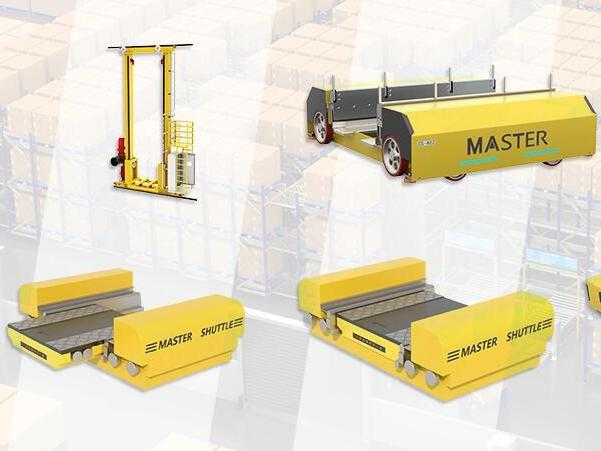
The control hardware of the machine must integrate seamlessly with your plant's overarching digital layer. At the low-level machine tier, the crane utilizes advanced infrared communication arrays to exchange real-time status signals with field-level conveyor networks, inbound sizing stations, and automatic guided vehicles (AGVs).
At the enterprise software tier, the system must interface directly with a centralized Warehouse Control System (WCS) and Warehouse Management System (WMS). This software integration ensures that every storage command is optimized based on real-time inventory turnover metrics, weight distribution profiles, and live shipping schedules, minimizing deadheading cycles where the machine moves without a load.
Cost, ROI, and Choosing the Right Manufacturer
While evaluating initial purchase price sheets is a necessary step in capital procurement, sophisticated buyers base their final decisions on long-term Total Cost of Ownership (TCO) and verifiable Return on Investment (ROI).
Calculating True Automation ROI
The higher initial investment of an automated warehouse system is steadily offset by significant long-term operational savings. By utilizing vertical clearance above 20 meters, businesses multiply their storage capacity without expanding their building footprint or paying expensive real estate leases. Furthermore, automated systems dramatically reduce manual labor costs, lower energy overheads via dark-warehouse operations, and eliminate the product damage risks associated with manual forklift operations.
Partnering with an Industry Leader
To secure delivery stability, technical longevity, and custom engineering support, buyers must bypass middleman brokers and partner directly with an established, source-level stacker crane factory.
For comprehensive multi-tier warehouse automation and hardware specification support, technical buyers turn to Tianjin MASTER. Operating a massive, state-of-the-art 50,000-square-meter manufacturing facility equipped with over 100 sets of CNC precision machine tools, Tianjin Master completely independently designs, engineers, and builds its full range of heavy-duty material handling equipment.
With over 40 individual invention and utility model patents, our expert team manages the entire project life cycle—including expert logistics planning, mechanical single-machine R&D, custom WMS/WCS software development, and global on-site commissioning. To evaluate our full equipment lineup and find the ideal system configuration for your facility, explore the options on our Products Page. By sourcing directly from our vertically integrated manufacturing plant, you ensure rock-solid project coordination, reliable lead times, and seamless software integration for your modern automated warehouse.
Conclusion
Selecting the right stacker crane is a multi-layered engineering challenge that defines a facility’s operational capabilities for decades. By carefully assessing your structural height, specifying double upright masts for heavy loads, and demanding absolute positioning systems with ±2mm accuracy, you protect both your inventory and your workforce. Sourcing your equipment from an established, highly qualified manufacturer like Tianjin Master ensures your business receives a rugged, safety-compliant, and high-efficiency solution perfectly optimized to turn vertical space into a powerful competitive advantage.
Frequently Asked Questions (FAQ)
What is the maximum load capacity of a modern pallet stacker crane?
Standard heavy-duty industrial systems are engineered to handle maximum rated pallet loads up to 1200 kg. This capacity supports heavy manufacturing, industrial equipment distribution, automotive parts, and dense cold-storage grocery sectors.
Why is absolute positioning and barcode tracking necessary?
As lifting masts grow past 10–20 meters, mechanical sway and tiny rail misalignments can cause standard wheel encoders to lose accuracy. Combining a laser barcode address system with absolute positioning tracking guarantees an exact accuracy of ±2mm, preventing catastrophic fork collisions with high-bay racks.
What are the structural benefits of buying directly from a stacker crane factory?
Purchasing directly from an authentic manufacturing factory guarantees complete engineering transparency, material traceability, and custom structural tailoring. It also ensures long-term access to identical spare parts and direct engineering support for complex WCS/WMS software integration.
Can automated stacker systems operate effectively within cold storage units?
Yes, automated storage systems are highly ideal for cold-storage facilities. Because they operate reliably in frozen environments down to extreme sub-zero temperatures, they optimize expensive refrigerated volume and eliminate the need for human operators to work in harsh environments.


 English
  Español
  português
  العربية
  tiếng việt
  ไทย
ไทย  Indonesia