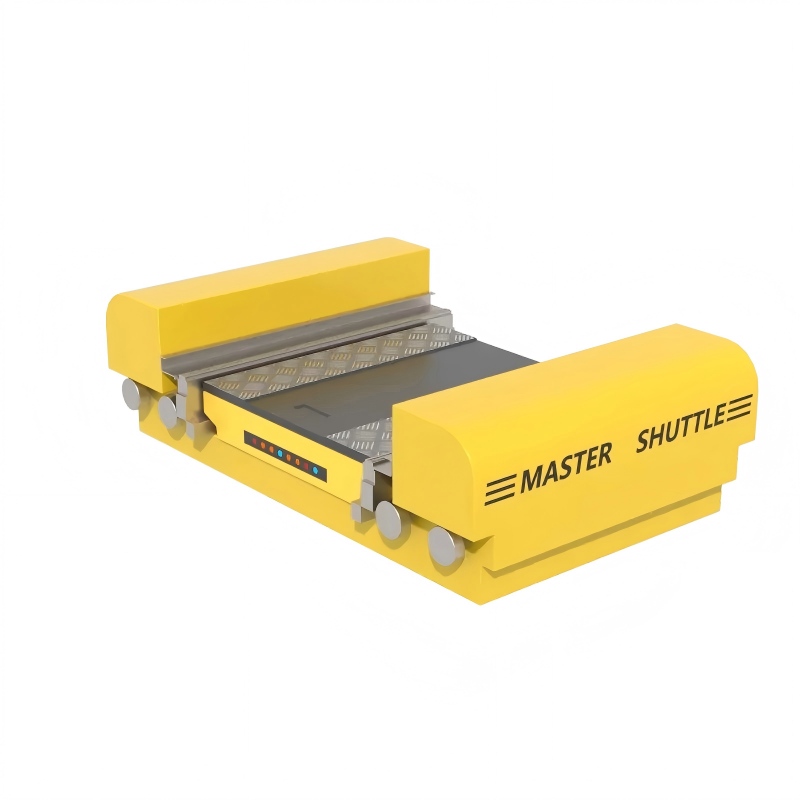
A warehouse can have thousands of pallet positions and still struggle with limited storage capacity. The problem is often not the lack of space, but how that space is organized and used. As inventory volumes grow, many companies discover that adding more racks or expanding facilities does not always solve the real challenge: creating a storage environment where every square meter supports efficient product movement.
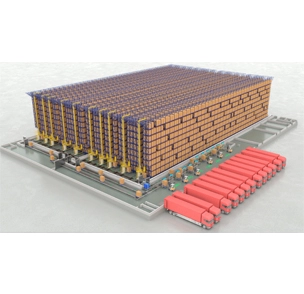
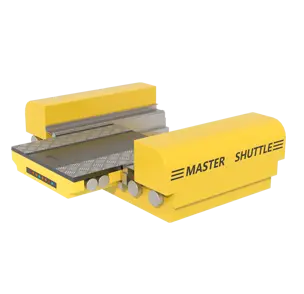
This is why more businesses are rethinking traditional storage strategies and exploring solutions such as a pallet shuttle storage system. Instead of depending on wide forklift aisles and direct access to every pallet location, this approach uses automated shuttle vehicles to move pallets inside storage channels. By combining compact storage design with shuttle automation, warehouses can increase capacity while maintaining a smoother flow of goods.
However, better storage density does not come from equipment alone. The performance of a pallet shuttle storage system depends on how well the solution matches pallet characteristics, inventory patterns, warehouse layout, and future operational requirements. A carefully planned system can help businesses use existing space more effectively while creating a warehouse environment that is easier to manage and adapt.
Master Auto Group develops warehouse automation solutions for different storage requirements, helping companies evaluate suitable configurations based on their operational goals. Businesses exploring automation options can review Master Auto Group’s automated warehouse solutions to understand available technologies and applications.
Why More Warehouses Are Turning to Pallet Shuttle Storage Systems for Space Optimization
Many warehouses reach a point where traditional storage methods begin to limit growth. When inventory increases, the first response is often adding more racks or expanding the building. However, these options may not always be practical because they require additional investment, available land, and changes to existing operations.
The challenge is often related to storage efficiency rather than warehouse size. Conventional pallet storage requires enough aisle space for forklifts to reach individual locations, which means a considerable part of the facility is used for movement rather than storage.
A pallet shuttle storage system changes this balance by allowing pallets to be stored deeper within rack channels. Automated shuttle vehicles move pallets into and out of these channels, reducing the need for forklifts to enter every storage position. This design helps warehouses create higher storage density without sacrificing organized inventory management.
The growing interest in shuttle automation also reflects changes in modern logistics. Warehouses today need to handle larger inventory volumes, shorter delivery cycles, and more demanding operational schedules. Instead of relying only on additional labor or larger facilities, companies are looking for systems that improve how existing resources are used.
For industries such as manufacturing, automotive, food and beverage, and distribution, where palletized goods are stored in large quantities, a pallet shuttle solution can provide a practical way to improve space utilization and maintain consistent material movement.
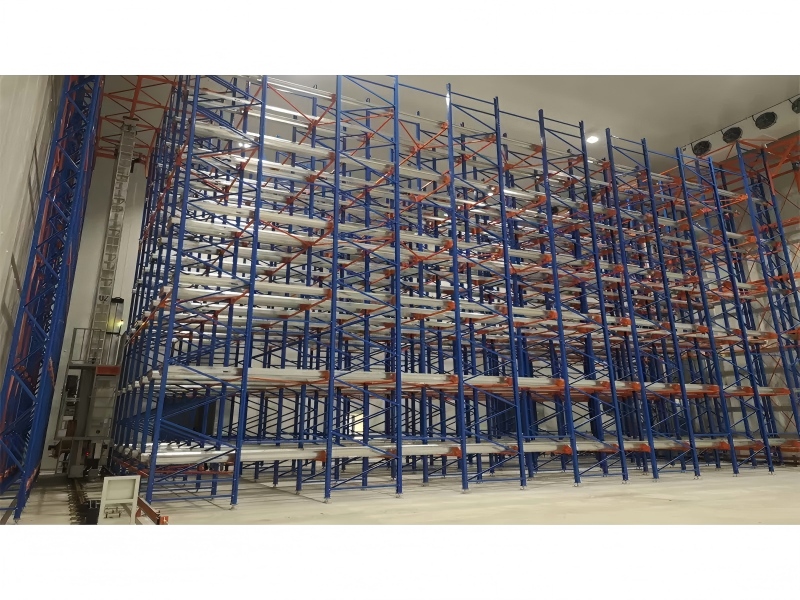
The Planning Decisions That Shape Pallet Shuttle Storage System Performance
A successful pallet shuttle storage system begins with planning decisions made before installation. The same system configuration may perform very differently depending on warehouse conditions, product characteristics, and operational objectives.
One of the first considerations is the type of pallets being stored. Pallet dimensions, load weight, stability, and product handling requirements directly influence rack structure and shuttle operation. A system designed for standardized loads may not provide the same performance when dealing with multiple pallet specifications.
Warehouse layout is another important factor. Building height, floor conditions, storage zones, and the relationship between receiving, storage, production, and shipping areas all affect the final design. The goal is not only to maximize pallet positions but also to create a logical movement path.
Inventory behavior also plays a major role. Products with frequent movement may require a different storage strategy compared with goods stored for longer periods. Understanding turnover rates and workflow requirements helps determine how the pallet shuttle storage system should be configured.
| Planning Element | Influence on System Design | Operational Consideration |
|---|
| Pallet specifications | Determines rack and shuttle requirements | Ensures safe and stable pallet handling |
| Warehouse layout | Affects storage arrangement and equipment positioning | Supports smoother product movement |
| Inventory turnover | Influences storage strategy | Balances accessibility and storage density |
| Future requirements | Impacts system scalability | Allows adaptation as business needs change |
Careful planning helps avoid a common mistake: designing a warehouse around maximum storage capacity while overlooking the way products actually move through daily operations.
Designing Storage Layouts That Balance Capacity, Accessibility, and Workflow Efficiency
Increasing storage density is one of the main reasons companies choose a pallet shuttle storage system, but the most effective designs focus on balance rather than simply adding more pallet locations.
A warehouse must maintain access to inventory while also reducing unnecessary space consumption. Storage depth, rack arrangement, and product movement frequency all influence how efficiently the system operates.
For example, products that move frequently may require faster access paths, while goods stored for longer periods can benefit from deeper storage configurations. A well-designed system considers these differences instead of applying the same storage approach to every product category.
This is where shuttle automation provides value. Automated shuttle vehicles can move pallets within storage channels with greater consistency, reducing dependence on forklift travel inside the rack structure. This allows warehouses to achieve compact layouts while maintaining reliable inventory movement.
The connection between storage areas and other warehouse zones is equally important. Receiving, production supply, picking, and shipping operations should be considered during planning to ensure that the storage system supports the entire workflow rather than functioning as an isolated solution.
Finding the Right Balance Between High Density Storage and Daily Warehouse Operations
Higher storage density is attractive because warehouse space is expensive. However, storing more pallets does not automatically mean a warehouse is operating more efficiently.
A storage system must support daily activities such as receiving, replenishment, retrieval, and shipping. If inventory becomes difficult to access or movement processes become complicated, increased density may create operational challenges.
A pallet shuttle storage system helps address this issue by combining compact storage with controlled pallet movement. Instead of requiring forklifts to access every pallet location, shuttle vehicles handle movement inside storage channels while operators manage external processes.
The following comparison shows how different storage methods approach capacity and operation:
| Storage Method | Space Utilization | Operational Characteristics |
|---|
| Selective pallet racking | Lower density due to direct access requirements | Flexible access but requires more aisle space |
| Drive-in racking | Higher density compared with selective racking | Suitable for specific storage patterns with limited automation |
| Pallet shuttle storage system | High-density pallet storage with reduced access space | Uses shuttle movement to improve storage efficiency |
The best solution depends on the warehouse’s operating model. The goal is not simply to maximize storage density, but to create a system where capacity, accessibility, and workflow efficiency work together.
How Shuttle Automation Connects Storage Equipment with Smarter Warehouse Management
Modern warehouse automation is becoming increasingly connected. The value of shuttle automation comes from the relationship between physical equipment and digital management systems.
In an advanced storage environment, shuttle vehicles, control software, and inventory systems work together to coordinate pallet movement. This allows warehouses to improve visibility into inventory locations and operational activity.
For a pallet shuttle storage system, software coordination helps manage movement tasks, reduce unnecessary handling, and support more consistent warehouse operations. Instead of relying on manual decisions for every movement, the system can follow predefined strategies based on storage requirements.
This integration also creates a foundation for future automation improvements. As warehouse requirements change, connected systems can make it easier to introduce additional technologies or expand existing capabilities.
Preparing a Pallet Shuttle Storage System for Future Capacity and Operational Changes
Warehouse requirements rarely remain unchanged. Inventory volumes grow, product categories change, and supply chain strategies continue to develop. A storage solution that works today should also provide flexibility for future adjustments.
When planning a pallet shuttle storage system, companies should consider not only current storage demand but also possible future scenarios. Increased pallet volumes, changing product requirements, and expanding distribution activities can all influence long-term system performance.
A flexible approach to shuttle automation allows businesses to improve current operations while keeping room for future development. Scalable design, software integration, and appropriate system configuration can help warehouses adapt without major disruptions.
Because each warehouse has different workflows and challenges, selecting the right automation approach requires careful evaluation. Companies looking to discuss storage requirements and automation planning can connect with Master Auto Group through its warehouse automation consultation service.
Conclusion
Planning a pallet shuttle storage system is not simply about adding automated equipment to increase pallet capacity. The most successful solutions are built around a clear understanding of warehouse layout, inventory behavior, operational requirements, and future growth.
By combining compact storage design with shuttle automation, companies can improve warehouse space utilization while maintaining reliable material flow. The right system creates a better balance between storing more products and managing them efficiently.
As warehouse challenges continue to evolve, carefully planned automation solutions can help businesses create storage environments that are more efficient, flexible, and prepared for future demands.
FAQ
1. What is a pallet shuttle storage system?
A pallet shuttle storage system is an automated storage solution that uses shuttle vehicles to move pallets inside rack channels, improving storage density and reducing forklift movement.
2. How does shuttle automation improve warehouse efficiency?
Shuttle automation improves efficiency by reducing manual pallet handling, optimizing movement processes, and connecting storage equipment with warehouse management systems.
3. Which warehouses are suitable for pallet shuttle storage systems?
Warehouses with large pallet volumes, limited space, and repetitive storage requirements are often suitable for pallet shuttle solutions.
4. Can pallet shuttle systems increase warehouse storage capacity?
Yes. By reducing aisle requirements and allowing deeper storage configurations, pallet shuttle systems can help increase usable storage space.
5. Is a pallet shuttle storage system fully automated?
A pallet shuttle system can include automated movement technology, but the overall automation level depends on integration with warehouse software and other equipment.
6. What should be considered before installing a pallet shuttle storage system?
Companies should evaluate pallet types, warehouse layout, inventory flow, storage goals, and future operational needs before selecting a system.


 English
  Español
  português
  العربية
  tiếng việt
  ไทย
ไทย  Indonesia