Many warehouses today already use some form of automation. Conveyor lines, automated lifting equipment, barcode systems, and digital inventory tools have helped companies reduce repetitive tasks and improve daily operations. However, as inventory volumes increase and supply chains become more complex, many businesses are finding that basic automation is no longer enough to support long-term growth.
The question facing warehouse operators is no longer simply whether automation is useful. The more important question is whether the current level of automation can handle future requirements. When storage space becomes limited, product varieties increase, and manual coordination becomes more difficult, companies often begin evaluating whether a fully automated storage system is the right next step.
Unlike conventional automation, which often focuses on improving individual processes, a fully automated approach connects storage, retrieval, transportation, and information management into one coordinated system. Understanding these differences helps businesses choose solutions that match their operational goals rather than investing in automation without a clear strategy.
Master Auto Group provides warehouse automation solutions designed for different storage environments and operational requirements. Companies comparing different automation levels can review Master Auto Group’s automated warehouse solutions to understand how different systems are configured for various applications.
From Assisted Automation to Full Automation: How Warehouse Operations Are Changing
The transition toward warehouse automation usually does not happen overnight. Many companies begin with targeted improvements, such as automated transportation systems or digital inventory tracking, because these solutions can address specific operational challenges without requiring a complete warehouse redesign.
This type of assisted automation can be effective when warehouse processes are relatively simple. However, as businesses manage more stock keeping units, shorter delivery windows, and higher throughput expectations, isolated automation solutions may create new challenges. Different systems may operate separately, requiring employees to coordinate activities manually.
A fully automated storage system represents a different approach. Instead of automating individual tasks, it focuses on creating a connected warehouse environment where equipment and software work together. Storage decisions, retrieval tasks, and material movement can be managed through an integrated control process.
This does not mean every company needs the highest possible automation level. The right choice depends on warehouse conditions, inventory characteristics, and business objectives. For some operations, partial automation may still be practical. For warehouses dealing with increasing complexity, a more integrated solution can provide stronger long-term value.
What Really Defines a Fully Automated Storage System Beyond Automated Equipment
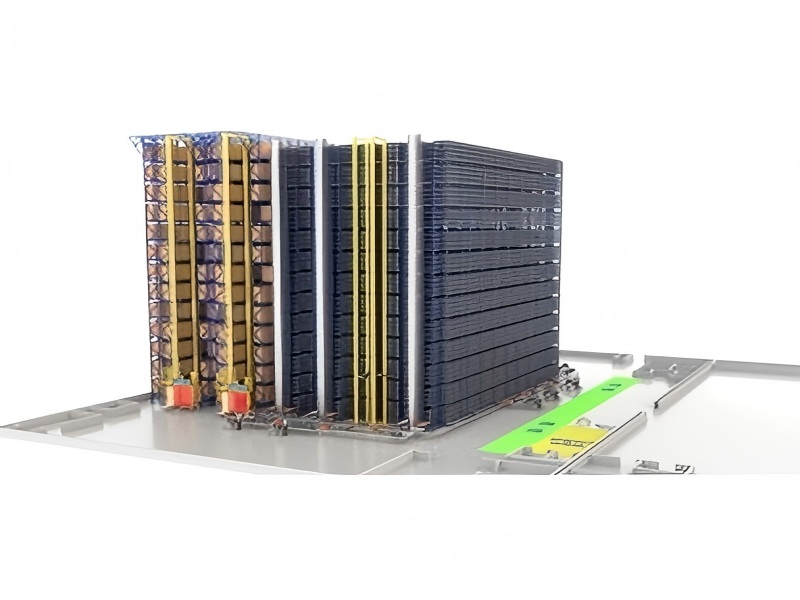
One common misunderstanding is that a warehouse becomes fully automated simply by adding automated machines. In reality, automation equipment is only one part of a complete storage solution. A fully automated storage system is defined by how different technologies communicate and operate together.
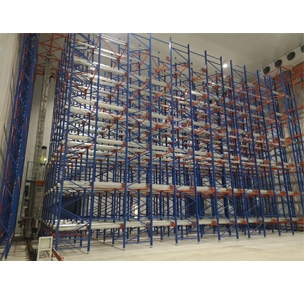
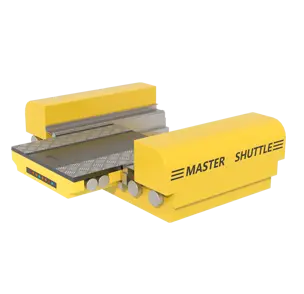
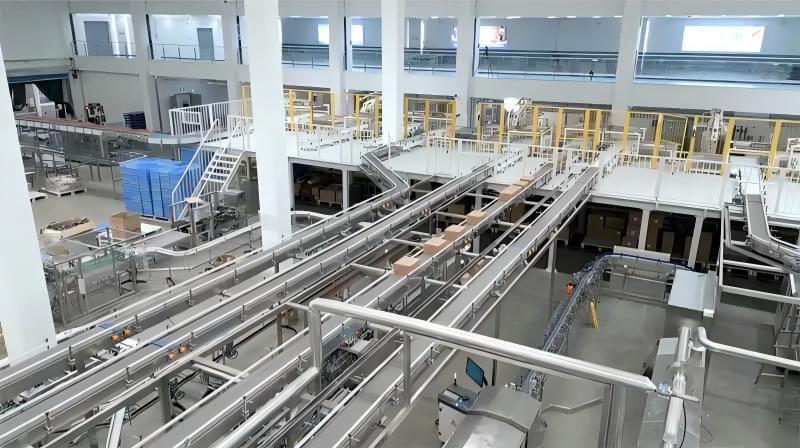
At the equipment level, a fully automated system may include automated storage and retrieval equipment, shuttle systems, conveyors, robotic handling solutions, and other material movement technologies. However, the real difference comes from the control layer that coordinates these elements.
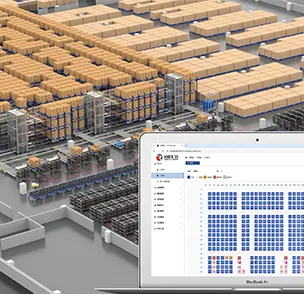
Software integration allows the warehouse to manage inventory information, determine storage locations, assign movement tasks, and monitor operational status. This connection between physical equipment and digital management is what allows automated storage systems in warehouse environments to operate with greater consistency.
Another important characteristic is reduced dependence on manual decision-making. Employees remain essential for supervision, maintenance, and process improvement, but repetitive activities such as locating inventory, moving goods, and updating storage information can be handled automatically.
Therefore, a fully automated warehouse is not simply a collection of machines. It is a coordinated system where hardware, software, and workflow design work together to create a more controlled storage environment.
Where Fully Automated Storage Systems Differ from Conventional Warehouse Automation
The difference between conventional warehouse automation and a fully automated storage system becomes clearer when looking at how each approach manages daily operations.
| Comparison Area | Conventional Warehouse Automation | Fully Automated Storage System |
|---|
| Automation approach | Usually improves specific warehouse activities or equipment functions | Connects storage, retrieval, movement, and control processes into one system |
| Storage management | Often requires more manual planning and coordination | Uses integrated software to manage storage decisions and inventory movement |
| Material handling | Automation assists operators with certain transportation tasks | Automated processes manage a larger portion of internal movement |
| Operational visibility | Information may come from separate systems | Provides more unified monitoring of inventory and warehouse activity |
| Future adaptability | Expansion may require additional standalone solutions | Designed to support broader automation development |
For companies considering automated storage systems in warehouse applications, the main consideration is not whether equipment is automated, but whether the entire workflow is connected. A warehouse with several automated devices may still rely heavily on manual coordination if those systems cannot communicate effectively.
A fully integrated approach helps businesses move from equipment-based automation toward system-based automation, which is increasingly important as warehouse operations become more complex.
Why Storage Density and Material Flow Are Becoming Key Factors in Automation Decisions
Warehouse expansion has traditionally been one way to deal with increasing inventory levels. However, adding more physical space is not always practical. Land availability, construction costs, and operational disruption can make expansion difficult, especially for companies operating near manufacturing facilities or major distribution hubs.
As a result, many businesses are focusing on improving how existing warehouse space is used. Automated storage systems in warehouse environments can support this goal by reducing unnecessary movement areas and creating more efficient storage layouts.
However, storage density alone does not determine warehouse performance. A warehouse that stores more products but requires complicated retrieval processes may not deliver meaningful improvements. Efficient material flow is equally important because inventory must move smoothly from storage locations to production lines, picking areas, or shipping zones.
A fully automated storage system helps balance these two requirements. By coordinating storage positions, retrieval activities, and transportation tasks, it allows companies to improve capacity while maintaining operational consistency.
This balance is especially valuable for industries with frequent inventory movement, complex product categories, or strict delivery requirements. The goal is not simply to store more goods, but to create a warehouse where space and movement are managed together.
Evaluating Whether a Fully Automated Storage System Matches Your Warehouse Requirements
A fully automated storage system can provide significant advantages, but it is not automatically the right choice for every warehouse. Before making an investment decision, companies need to understand their current challenges and future operational expectations.
Warehouses with growing inventory volumes, limited expansion space, frequent product movement, or strict accuracy requirements are often strong candidates for higher levels of automation. In these environments, reducing manual coordination and improving storage control can have a direct impact on daily performance.
On the other hand, facilities with simple workflows and limited inventory complexity may not require a fully automated solution immediately. A phased approach that introduces automation gradually may better match their current situation.
Important evaluation factors include storage requirements, inventory characteristics, throughput expectations, available facility space, and future expansion plans. The most suitable automation strategy is the one that supports business objectives rather than simply introducing advanced technology.
Because every warehouse has different workflows and constraints, a detailed discussion of storage objectives is often the first step before selecting an automation approach. Master Auto Group’s warehouse automation project consultation helps companies evaluate suitable options based on their actual operating conditions.
Building a More Adaptable Warehouse with the Right Level of Automation
The future of warehouse automation is not about choosing the most advanced system available. It is about creating a storage environment that can adapt as business requirements change.
A well-designed automation strategy considers current operational needs while leaving room for future development. As inventory volumes, product categories, and supply chain expectations change, flexible systems can help companies respond without completely redesigning their warehouse operations.
For many businesses, the move toward automated storage systems in warehouse operations represents a shift from managing individual tasks to managing the entire storage process. This approach improves coordination between equipment, software, and employees.
The right level of automation depends on each company’s situation. Whether upgrading an existing facility or planning a new warehouse, understanding the difference between conventional automation and a fully automated storage system allows businesses to make more informed decisions.
Conclusion
The difference between conventional warehouse automation and a fully automated storage system is not simply the number of automated machines installed in a facility. The real distinction lies in how effectively storage equipment, software systems, and operational processes work together.
As companies face increasing inventory complexity and greater pressure on warehouse performance, automated storage systems in warehouse environments provide a way to improve space utilization, inventory control, and workflow coordination. However, successful automation depends on selecting a solution that fits actual operational requirements.
By understanding the differences between automation levels, businesses can develop warehouse strategies that support current efficiency while preparing for future supply chain changes.
FAQ
1. What is a fully automated storage system?
A fully automated storage system is an integrated warehouse solution that uses automated equipment, software control, and coordinated processes to manage storage and retrieval operations.
2. Are all automated storage systems in warehouse environments fully automated?
No. Some automated storage systems only support specific tasks, while fully automated systems integrate multiple warehouse processes into one coordinated operation.
3. What is the main difference between conventional automation and full automation?
Conventional automation usually focuses on improving individual processes, while full automation connects storage, handling, and information management across the warehouse.
4. What industries can benefit from fully automated storage systems?
Industries with complex inventory management needs, high storage volumes, and strict efficiency requirements often benefit from fully automated storage solutions.
5. Does a fully automated storage system eliminate all manual work?
No. Employees are still needed for system supervision, maintenance, and management, but repetitive manual tasks can be significantly reduced.
6. How should companies choose the right warehouse automation solution?
Companies should evaluate warehouse layout, inventory characteristics, throughput requirements, and future development plans before selecting an automation approach.


 English
  Español
  português
  العربية
  tiếng việt
  ไทย
ไทย  Indonesia