The past few years have taught us one uncomfortable truth: supply chains are fragile. A pandemic, a trade dispute, a weather event, a labor strike—any of these can bring your operations to a halt.
Companies that survived the disruptions didn't just get lucky. They had built resilience into their operations. And increasingly, that resilience is powered by automation—specifically, shuttle systems.
Here's how 4-Way Shuttles and Pallet Shuttles transform your warehouse from a vulnerability into a strength.
What Is Supply Chain Resilience?
The 5 Pillars of Shuttle-Powered Resilience
Pillar 1: Labor Independence
The Vulnerability: Your warehouse stops when people don't show up. A labor strike. A pandemic. A flu season. Any disruption to your workforce becomes a disruption to your business.
The Shuttle Solution:
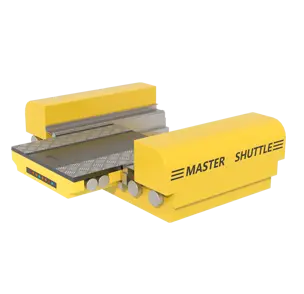
4-Way Shuttles and Pallet Shuttles run 24/7 without breaks, sick days, or vacations
Your throughput is decoupled from headcount
When labor is scarce, your automated core keeps running
The Resilience Impact: You're no longer hostage to the labor market.
Pillar 2: Elastic Capacity
The Vulnerability: Demand spikes. Black Friday. Holiday season. A viral product. Your manual warehouse can't scale fast enough. You turn away orders. You lose customers.
The Shuttle Solution:
A 4-Way Shuttle system scales by adding more shuttles to the grid
Need 50% more throughput? Add 50% more shuttles
Peak passes? Remove them. No idle capacity.
The Resilience Impact: Your capacity matches demand, not the other way around.
Pillar 3: Inventory Visibility
The Vulnerability: "System says we have it, but we can't find it." This phrase has stopped more production lines and delayed more shipments than any single disruption.
The Shuttle Solution:
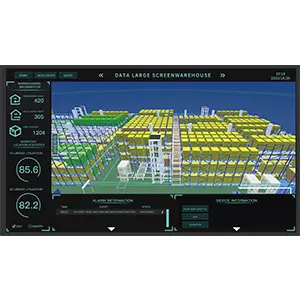
Every pallet in your Pallet Shuttle system is tracked by WMS
Every tote in your 4-Way Shuttle grid is precisely located
Real-time accuracy >99.99%
The Resilience Impact: You trust your inventory. You plan with confidence.
Pillar 4: Space Optimization
The Vulnerability: When disruptions hit, you need to hold more inventory. But expanding is expensive, slow, and often impossible.
The Shuttle Solution:
Pallet Shuttles increase storage density by 60-100% in existing footprint
You build surge capacity without building new buildings
You hold safety stock without paying for extra space
The Resilience Impact: Your buffer against disruption fits within your existing walls.
Pillar 5: Process Consistency
The Vulnerability: Manual processes are variable. Different pickers work at different speeds. Fatigue affects accuracy. Training gaps cause errors.
The Shuttle Solution:
System-driven processes are consistent
Every pick is guided, every move is optimized
Quality doesn't depend on who's working that day
The Resilience Impact: Your output is predictable, reliable, and repeatable.
The Resilience Stack: How It All Fits Together
                    ┌─────────────────────────────────────┐
                    │      BUSINESS CONTINUITY            │
                    │  (You keep operating when others    │
                    │   are scrambling)                   │
                    └─────────────────────────────────────┘
                                            ▲
                    ┌───────────────────────┴───────────────────────┐
                    │                                               │
          ┌─────────┴─────────┐                         ┌─────────┴─────────┐
          │   LABOR SHOCK     │                         │   DEMAND SPIKE    │
          │  (Strike, sick)   │                         │  (Peak season)    │
          └─────────┬─────────┘                         └─────────┬─────────┘
                    │                                               │
          ┌─────────┴─────────┐                         ┌─────────┴─────────┐
          │  Pallet Shuttle   │                         │   4-Way Shuttle   │
          │  (Automated core) │                         │ (Elastic scaling) │
          └───────────────────┘                         └───────────────────┘
                    ▲                                               ▲
                    └───────────────────────┬───────────────────────┘
                                            │
                              ┌─────────────┴─────────────┐
                              │      WMS/WCS BRAIN        │
                              │   (Visibility + Control)  │
                              └───────────────────────────┘
Real Resilience Story
The Company: A regional food distributor serving restaurants and grocery stores.
The Disruption: The pandemic hit. Restaurants closed overnight. Grocery demand exploded 300%. Labor was impossible to find.
The Shuttle Advantage: They had installed a Pallet Shuttle system in their freezer two years earlier, and a 4-Way Shuttle goods-to-person system for picking six months before.
What Happened:
While competitors struggled to find workers, their shuttles kept running
While competitors ran out of space, their Pallet Shuttle density held 2x normal inventory
While competitors made errors rushing orders, their 4-Way Shuttles maintained >99.9% accuracy
The Result: They gained 40% market share in three months. Competitors who survived took years to recover. Some never did.
Their CEO told me: "We didn't plan for a pandemic. But we planned for resilience. When the crisis came, our automation was the difference between thriving and surviving."
The Cost of Fragility
Building Your Resilience Roadmap
The Bottom Line
In a world of constant disruption, resilience isn't a nice-to-have. It's a competitive imperative.
Your shuttle system isn't just about saving labor or storing more. It's about building a supply chain that can absorb shocks, scale with demand, and keep delivering when others can't.
The companies that invest in resilience today will be the ones that thrive tomorrow. The ones that don't will be left scrambling when the next disruption hits.
And there will always be a next disruption.


 English
  Español
  português
  العربية
  tiếng việt
  ไทย
ไทย  Indonesia