Not every warehouse needs automation. Some operations benefit more than others. This article describes signs that indicate automation may be a good fit.
Sign 1: Running Out of Space
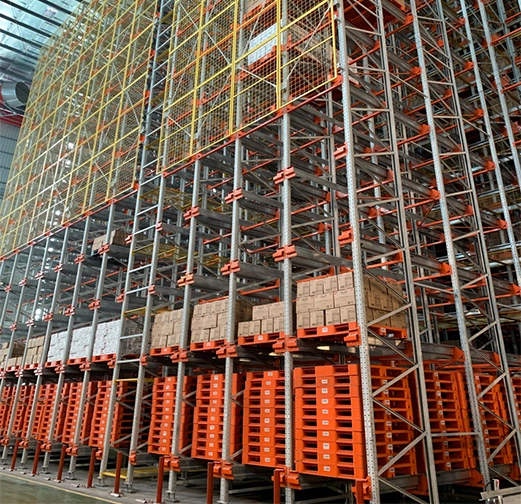
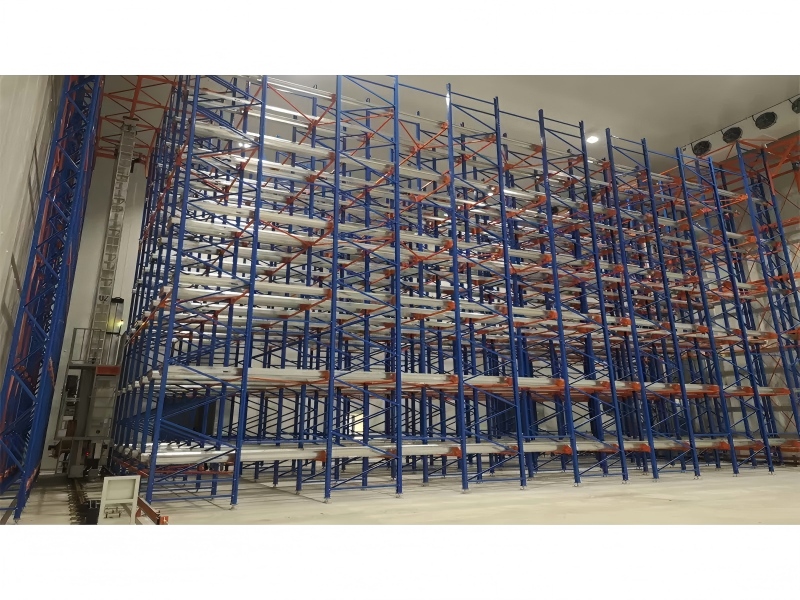
If your warehouse is full and expansion is expensive or impossible, automation can help. Pallet shuttles increase storage density. ASRS uses vertical space. Both allow more storage without adding square footage.
Sign 2: High Labor Costs
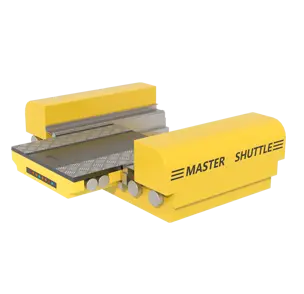
If labor costs are rising or workers are hard to find, automation reduces dependence on manual labor. Four-way shuttles reduce picking labor. Pallet shuttles reduce putaway and retrieval labor. Fewer workers are needed for the same volume.
Sign 3: High Error Rates
If picking errors exceed 1-2 percent, automation improves accuracy. Four-way shuttles with barcode scanning achieve accuracy above 99.9 percent. Fewer returns mean lower costs and happier customers.
Sign 4: Inconsistent Throughput
If order processing speed varies widely, automation provides consistency. Shuttles and cranes run at the same speed regardless of the hour or day. Peak season spikes become manageable.
Sign 5: Limited Growth
If you are turning away business because your warehouse cannot handle more volume, automation enables growth. Adding shuttles to a grid increases capacity. Adding lanes to a pallet shuttle system increases storage.
Sign 6: High Turnover
If warehouse workers leave frequently, automation improves retention. Automated roles are less physically demanding. Workers stay longer. Training costs decrease.
Sign 7: Safety Issues
If injuries are common, automation reduces risk. Fewer forklifts mean fewer collisions. Less lifting means fewer back injuries. Workers spend less time in dangerous areas.
Not Ready Yet?
If you have low labor costs, plenty of space, low error rates, and consistent volume, automation may not be urgent. Manual operations can still work. Monitor these signs over time. When they appear, automation becomes more attractive.
Summary
Automation makes sense when space is tight, labor is expensive or scarce, errors are high, throughput is inconsistent, growth is limited, turnover is high, or safety is a concern.
Evaluate your operation against these signs. If several apply, automation is worth exploring.


 English
  Español
  português
  العربية
  tiếng việt
  ไทย
ไทย  Indonesia